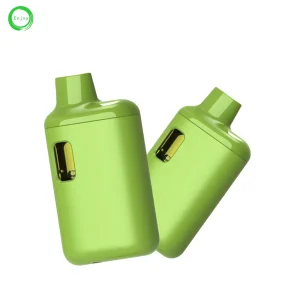
Direct access to engineered OEM replacement parts, postless disposable hardware, and custom-machined shells manufactured by leading domestic facilities.

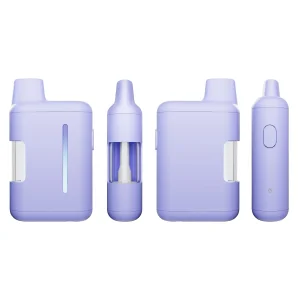
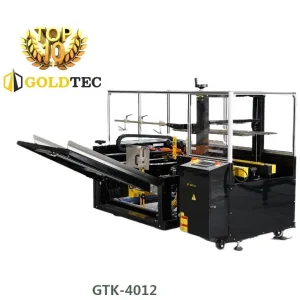
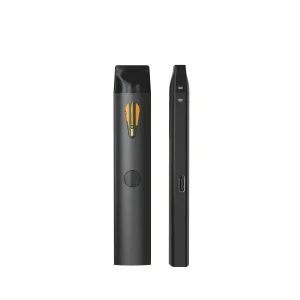
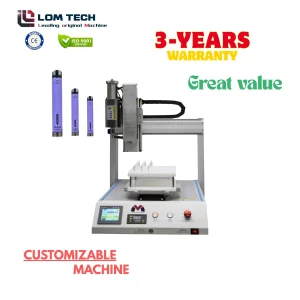
How the integration of physical cluster manufacturing, highly specialized labor forces, and advanced material logistics defines modern global vape manufacturing.
The global e-cigarette hardware market remains heavily anchored to China's core industrial zones—primarily Shenzhen and Foshan. This concentrated geographic specialization forms a resilient, hyper-efficient production ecosystem that stands unmatched worldwide. By co-locating custom CNC milling centers, cleanroom plastic injection facilities, automated PCB fabricators, and advanced cleanroom test facilities in close physical proximity, these hubs dramatically cut lead times and product failure rates.
For international buyers looking to scale from prototype components to multi-million unit monthly runs, this geographical setup delivers significant advantages. Instead of coordinating across separate continents, designers, raw material vendors, hardware calibrators, and logistics managers operate within the same local network. This close collaboration yields faster iteration loops, rapid customization capabilities, and lower shipping costs, maximizing overall information gain during the design cycle.
"By utilizing close-proximity supply pipelines in industrial clusters like Foshan and Shenzhen, global businesses can reduce development cycles for custom-made vape housings and atomization assemblies from several months to just a few weeks."
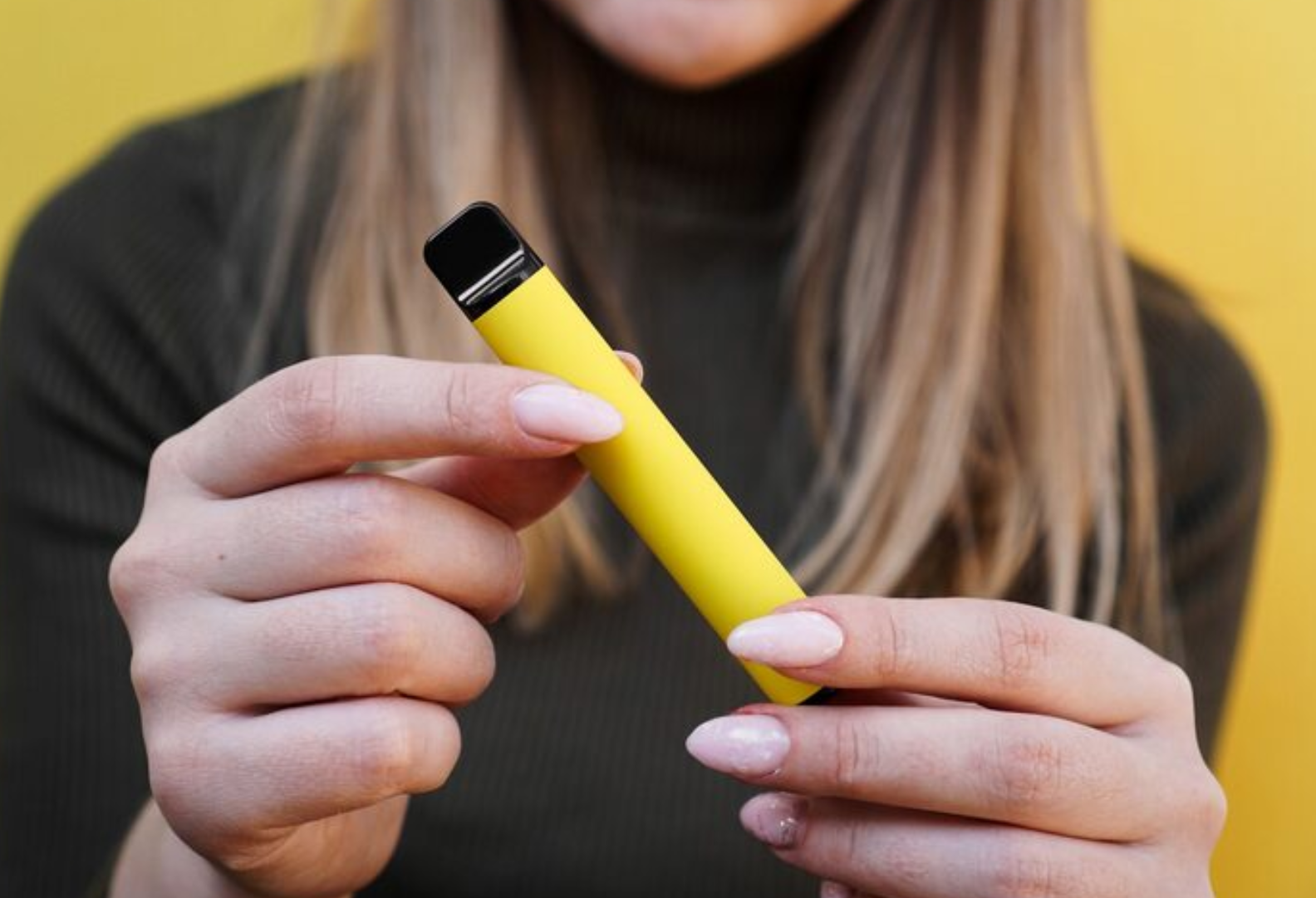
B2B procurement metrics that distinguish high-tier OEM/ODM factories from assembly-only workshop operations.
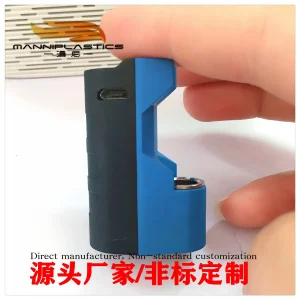
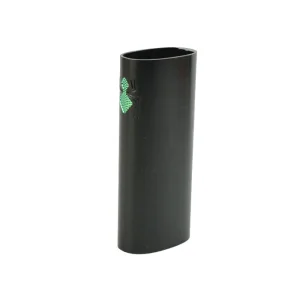
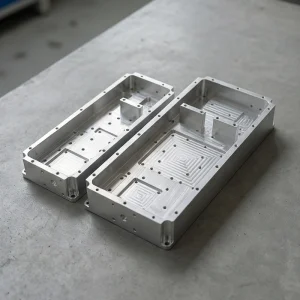
Custom-machined enclosures and high-tolerance mod frames. By using 5-axis CNC machining, manufacturers achieve complex spatial designs with tolerances down to ±0.01mm, ensuring structural integrity and precise component fits.
Replacing traditional wire coils, modern porous ceramic blocks provide even heat distribution. This design avoids dry hits, enhances flavor, and prevents heavy metal leaching into the vapor stream.
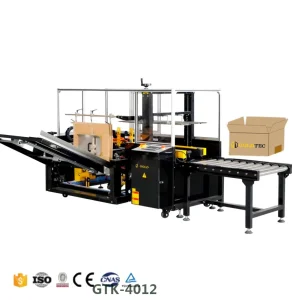
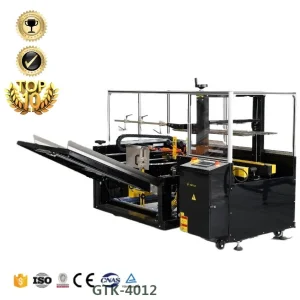
Bottom-sealing folding, automatic box erection, and direct containment integrations. Modern factories utilize automation to lower manual touchpoints, keeping production sanitary and reducing dust contamination.
Navigating the complex landscape of FDA, PMTA, and European TPD standards with zero operational disruption.
Entering international consumer markets requires meeting strict regulatory standards. In the United States, the Food and Drug Administration (FDA) enforces the Premarket Tobacco Product Application (PMTA) framework, requiring detailed testing of aerosols, e-liquid interactions, battery safety, and component reliability. In Europe, the Tobacco Products Directive (TPD) dictates strict limits on reservoir capacity (max 2ml for retail cartridges), emissions profiling, leak protection, and child-safe features.
Choosing a manufacturer that lacks proper documentation puts your brand at risk of customs delays, product recalls, or complete market bans. Well-established Chinese suppliers invest heavily in modern testing facilities to perform in-house chromatography, heavy metal testing, and battery cycle tests. This ensures all documentation is ready for regulatory audits, safeguarding your supply chain.
SEO Insight & Strategy: B2B search intent for terms like "bulk vape cartridges" and "custom vape shells" is shifting toward compliance and safety. Supplying certified test reports (RoHS, CE, UN38.3 battery transport standards) on your site provides valuable information that drives conversions.
A major trend in the vape industry is the rapid growth of high-viscosity concentrates, such as live resin, rosin, and specialized distillates. Traditional center-post carts struggle with these materials, often leading to clogging, uneven heating, and product waste. The solution is postless hardware, which moves the heating element to the base of the chamber, opening up airflow. This design ensures consistent vaporization of thick oils without overheating, giving brands a distinct advantage in the premium concentrate market.
An Industry Leader in Precision Vape Manufacturing, OEM Customization, and High-Performance Hardware Solutions.
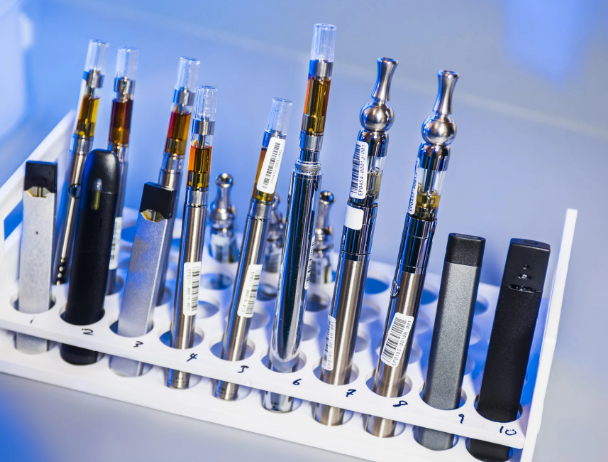
Foshan Xyvo Vape Co., Ltd. is a leading manufacturer and innovator in the vape industry, specializing in high-quality vape pens, cartridges, and batteries. Based in Foshan, China, Xyvo has built a reputation for delivering advanced vape hardware solutions that combine cutting-edge technology with user-friendly design. With a strong focus on precision engineering, our products are crafted to ensure consistent performance, safety, and durability, meeting the demands of both domestic and international markets.
Our comprehensive product portfolio includes sleek vape pens, refillable and pre-filled cartridges, as well as reliable, long-lasting batteries. Each product undergoes rigorous quality control and testing, adhering to global industry standards to guarantee a superior vaping experience. Xyvo’s dedicated R&D team continuously innovates to integrate the latest technological advancements, from intelligent battery management to customizable cartridge options, keeping our customers ahead in a rapidly evolving market.
Committed to OEM and ODM services, Foshan Xyvo Vape Co., Ltd. partners with brands worldwide, providing tailored solutions that align with unique market needs. Our manufacturing facilities are equipped with state-of-the-art machinery, ensuring efficient production while maintaining strict quality assurance protocols. Driven by a customer-centric approach, Xyvo emphasizes safety, innovation, and design excellence, positioning itself as a trusted partner for businesses and consumers seeking premium vape hardware solutions. Our mission is to enhance the vaping experience through technology, reliability, and style.
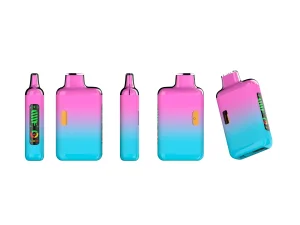
Explore our selection of dynamic vaporizers, sub-assembly boxes, automated packaging machinery, and custom enclosure solutions.
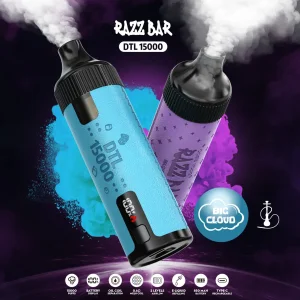

Crucial factors in supply chain planning: transit times, factory audits, and establishing secondary production pipelines.
When selecting a Chinese manufacturing partner, businesses should look beyond basic catalogs and low pricing. A reliable supplier must demonstrate engineering expertise, stable material sourcing, and robust quality control. A comprehensive factory audit should evaluate cleanroom particulate levels (ISO class specifications), trace metal analysis, test data records, and overall manufacturing capacity.
Working with established manufacturers like Foshan Xyvo Vape Co., Ltd. provides peace of mind. Their compliance infrastructure is built to support international standards, helping brands navigate complex import regulations and secure approvals with minimal friction.
Global logistics can be volatile. Experienced supply chain managers use strategies like dual-sourcing critical components (such as ceramic coils or control chips) and keeping safety stock in regional warehouses. This approach helps brands buffer against shipping delays, port congestion, or sudden changes in local market demand.
Expert answers addressing common technical, regulatory, and logistics questions in vape hardware sourcing.
A high-quality factory stands out through certified ISO cleanrooms, traceability systems for raw materials, modern CNC and injection molding equipment, and structured testing processes. Top tier suppliers also invest heavily in compliance certifications (like TPD and CE) to support smooth international distribution.
Postless hardware removes the central metal post, creating an open chamber. This design allows thick distillates to flow directly to the bottom heating element, reducing clogs, improving airflow, and ensuring more even heating for a better user experience.
Europe's TPD limits tank capacities to 2ml, requires child-resistant packaging, and mandates notification before sale. The US PMTA process involves comprehensive laboratory testing, aerosol profiling, and toxicological studies to prove a product is appropriate for public health protection.
Automating processes like box folding, erection, and bottom sealing reduces manual labor, improves consistency, and minimizes contamination risks. This keeps production sanitary and helps brands scale efficiently while keeping cost-per-unit low.
 Xyvo Vape