In the highly regulated modern aerosolization sector, hardware cleanliness has graduated from a surface aesthetic metric to a critical safety, liability, and performance standard. The global demand for professional, food-grade, and cleanroom-compatible Custom OEM Vape Cleaning Solutions is scaling exponentially. This shift is driven by strict quality standards imposed by regulatory agencies such as the U.S. FDA, Europe’s TPD, and local safety bureaus worldwide. Post-machining residual oils, heavy metal trace dust from CNC production, and organic contaminants from handling pose severe risks to brand integrity and user safety.
As vape technology transitions toward high-viscosity concentrates, live resins, and multi-chamber distillates, traditional solvents fail to deliver the necessary purity levels without degrading critical housing components. For global exporters, implementing validated cleaning lines is not merely about product maintenance; it is an foundational requirement to ensure zero-defect distribution before packaging and shipment.
Modern sanitization systems must meet USP Class VI medical-grade materials requirements. Residual cutting fluids from CNC processes must be extracted using non-polar, food-safe hydrocarbon solvents, followed by multi-stage ultrasonic cavitation washes that prevent damage to structural seals and ceramic heating elements.
Using variable sweep ultrasonic signals ranging from 28kHz to 80kHz targets different residue sizes. Low frequencies break down thick grease residues on metal mod enclosures, while high frequencies penetrate micro-channels within ceramic hardware without fracturing delicate porous structures.
Designing custom cleaning formulations for the OEM vape industry requires balance. The cleaning agent must dissolve hydrocarbons, silicones, and machining oils without compromising polycarbonate housings, PCTG oil tanks, anodized coatings, and silicone seals. The table below outlines the industrial pathways utilized by top-tier exporters to guarantee compliance with medical aerosolization standards.
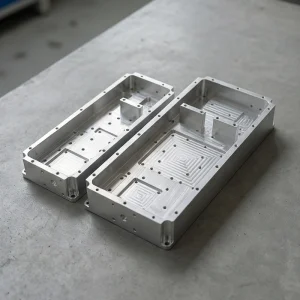
Targeted removal of industrial oils from high-precision CNC 5-axis vape shell parts. Utilizes safe, biodegradable volatile organic compounds (VOC-exempt solvents) that dry quickly without leaving residues.
Multi-stage deionized water rinse cycles (exceeding 18 MΩ-cm purity) integrated with vacuum drying to prevent oxidation on raw aluminum and brass mod shells.
Automated particle air knives running at class-100 cleanroom levels to extract organic fibers and skin flakes during manual or automated assembly and packaging stages.
Traditional isopropyl alcohol (IPA) causes micro-fissuring and stress-cracking in PCTG and polycarbonate materials over time. Our optimized cleaning lines use customized non-polar terpene compounds and glycol ethers. These formulations dissolve manufacturing oils effectively without causing polymer degradation, preserving housing clarity and structural strength.
Foshan Xyvo Vape Co., Ltd. is a leading manufacturer and innovator in the vape industry, specializing in high-quality vape pens, cartridges, and batteries. Based in Foshan, China, Xyvo has built a reputation for delivering advanced vape hardware solutions that combine cutting-edge technology with user-friendly design. With a strong focus on precision engineering, our products are crafted to ensure consistent performance, safety, and durability, meeting the demands of both domestic and international markets.
Our comprehensive product portfolio includes sleek vape pens, refillable and pre-filled cartridges, as well as reliable, long-lasting batteries. Each product undergoes rigorous quality control and testing, adhering to global industry standards to guarantee a superior vaping experience. Xyvo’s dedicated R&D team continuously innovates to integrate the latest technological advancements, from intelligent battery management to customizable cartridge options, keeping our customers ahead in a rapidly evolving market.
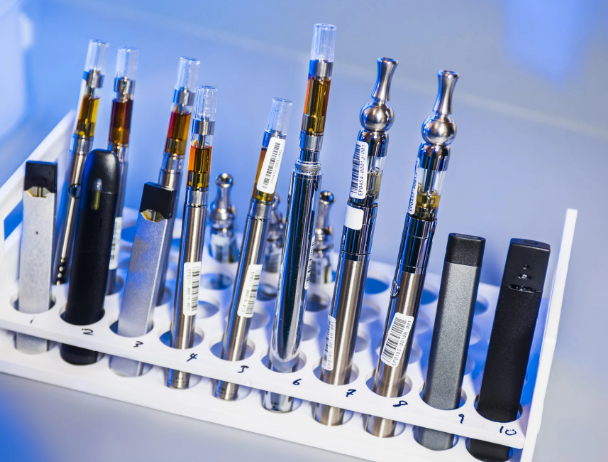
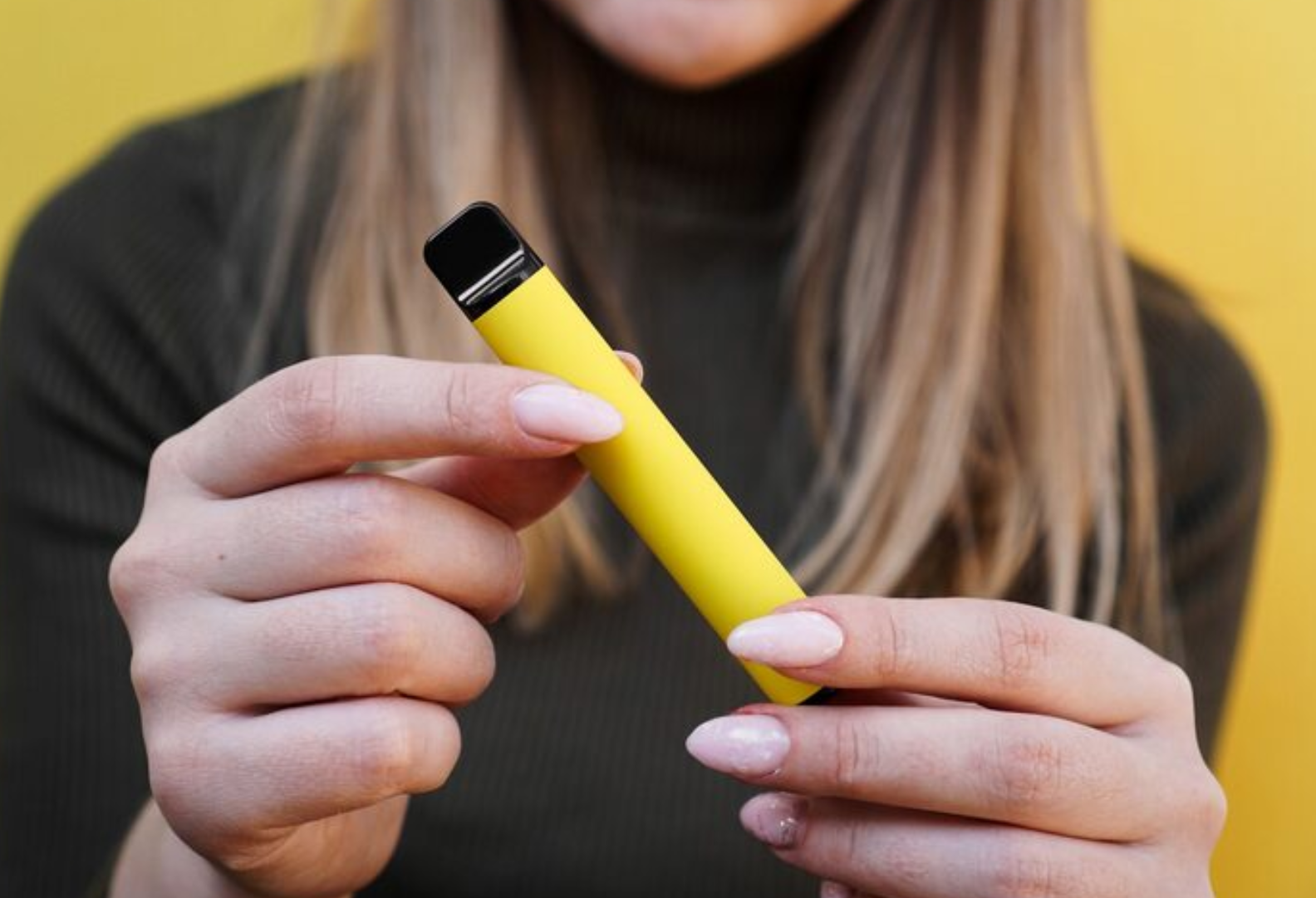
Committed to OEM and ODM services, Foshan Xyvo Vape Co., Ltd. partners with brands worldwide, providing tailored solutions that align with unique market needs. Our manufacturing facilities are equipped with state-of-the-art machinery, ensuring efficient production while maintaining strict quality assurance protocols.
Driven by a customer-centric approach, Xyvo emphasizes safety, innovation, and design excellence, positioning itself as a trusted partner for businesses and consumers seeking premium vape hardware solutions. Our mission is to enhance the vaping experience through technology, reliability, and style.
By integrating dedicated industrial cleaning lines directly into our manufacturing processes—such as 5-axis CNC machining centers for shell housings—we guarantee that every cartridge, custom pen, and enclosure leaves our factory free of particulate matter. This commitment supports clean vape practices and improves product reliability.
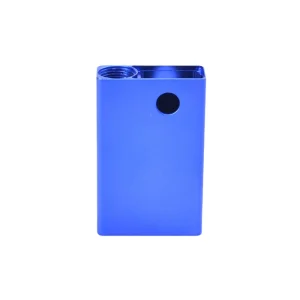
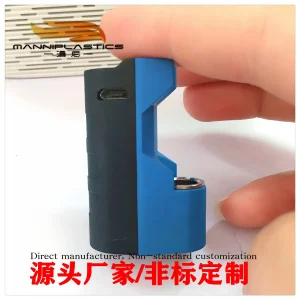
When manufacturing custom shells, CNC tooling oils can cling to threaded connections, causing electrical resistance or flavor contamination. Our macro cleaning systems employ vapor-phase solvent cleaning that penetrates deep threads and internal pathways, leaving metals chemically clean and ready for anodization or laser marking.
Ceramic wicks feature micro-pores designed to draw heavy oils and live resins. Handling these parts can introduce fine dust that clogs these pores, causing dry hits. Incorporating high-pressure ionized air washes and vacuum suction prior to coil installation ensures these pores remain open, maximizing vapor production and flavor purity.
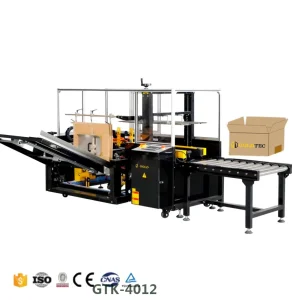
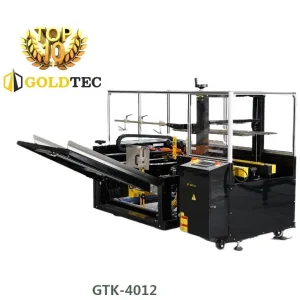
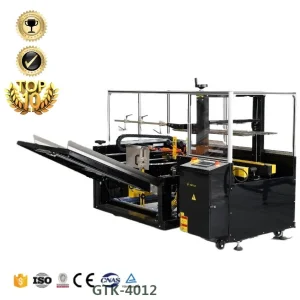
Cleanroom compliance requires coordinating assembly lines and packaging. Integrating automated box-erection systems prevents airborne dust particles from settling inside empty packaging. Automated assembly systems construct boxes, seal bottoms, and package cartridges immediately after cleaning, preserving product hygiene.
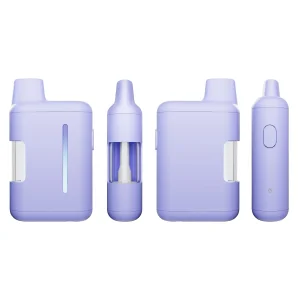
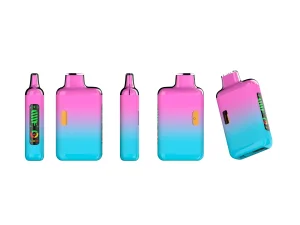
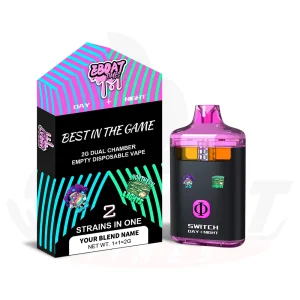
Dual-flavor devices feature internal dividers to keep different oils separate. Traditional cleaning methods can trap liquid solvents in these compartments, leading to product cross-contamination. Utilizing multi-axis vacuum drying chambers ensures all solvents evaporate completely from complex internal geometries.
Generic ultrasonic cleaning often uses standard tap water or low-grade surfactants that can leave mineral scale or rust residues on aluminum and zinc-alloy surfaces. Specialized OEM cleaning solutions use deionized water, specific pH-buffered cleaners, and multi-frequency sweep technology. This combination prevents microscopic pitting, preserves surface finishes, and removes all trace lubricants from deep threads, ensuring clean surfaces for anodization and assembly.
Ceramic coils require cleaning without surfactant liquid immersion, which can clog micro-pores. We use a combination of dry steam cleaning, high-frequency ultrasonic air knives, and vacuum extraction. This process removes ceramic dust and loose particles without leaving chemical residues that could affect flavor or vapor production.
Cleaners must comply with global regulations, including REACH and RoHS in Europe, and EPA VOC standards in the United States. Additionally, they must have updated Safety Data Sheets (SDS) in accordance with the Globally Harmonized System (GHS) of Classification and Labeling of Chemicals, guaranteeing safety during transport and workplace application.
Yes, automated bottom-seal box erection and packaging solutions minimize manual handling of clean vape hardware. By sealing products immediately after cleaning, these automated lines prevent dust, human oils, and pathogens from contaminating the hardware, ensuring the device remains clean until opened by the consumer.
Standard e-liquids are water-soluble (PG/VG-based) and clean easily with warm deionized water. In contrast, live resin and rosin contain sticky terpenes and hydrophobic oils. Cleanups require organic solvents such as high-purity ethanol or food-grade terpenes, along with ultrasonic cavitation, to break down sticky residues without damaging plastic components or silicone seals.
 Xyvo Vape