If you're asking, "why is my vape pen not working," you're not alone. Many users experience issues that can frustrate their vaping experience. Common reasons include battery failure, blocked airflow, or simply a discharged coil. These problems can often be solved with a few troubleshooting steps.
Understanding your device's components is crucial. A clean connection and a fully charged battery are essential for performance. However, even routine maintenance won't guarantee that your vape pen will work flawlessly every time. Sometimes, mysterious issues arise without warning. Users may struggle with low vapor production or unusual tastes, which can indicate deeper problems.
Reflecting on your usage habits can also help identify potential issues. Are you using the right e-liquid? Are you maintaining your device properly? A lack of attention to these details can lead to unsatisfactory performance. Facing these frustrations can be part of the vaping journey, but learning how to address them makes for a more satisfying experience.
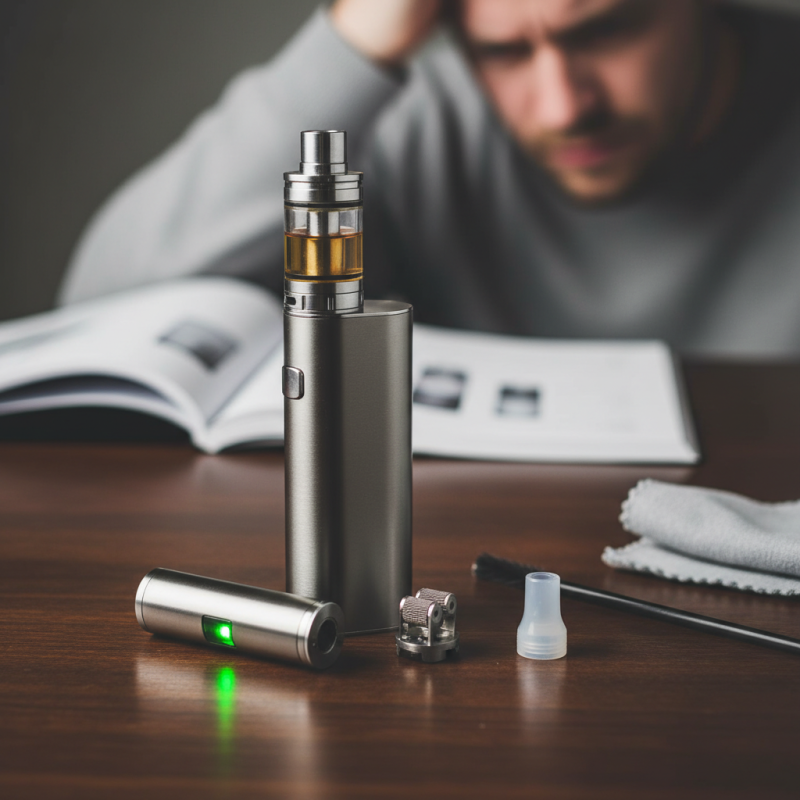
Vape pens can experience various malfunctions, often causing frustration for users. One common issue is a dead battery. Research indicates that about 30% of vape pen users report battery failure at some point. Ensuring your battery is charged can alleviate this problem. If your device still doesn't work after charging, consider inspecting the battery connections for debris or damage.
Another frequent culprit is a clogged tank or cartridge. Approximately 25% of vape users face this issue, which can restrict airflow. Clogs can occur from residue build-up. Regular cleaning can prevent this from happening. Users shouldn't hesitate to replace components if cleaning doesn’t restore functionality.
Device temperature plays a crucial role in performance. Excessive heat can lead to device failure, affecting the coil and causing a burnt taste. Studies show that vape pens function best at moderate temperatures. Users need to be mindful of their device's exposure to extreme heat. It’s essential to assess and adjust usage patterns to enhance the lifespan of the device. Identifying these factors can improve the overall vape experience.
When your vape pen fails to work, it can be frustrating. A common issue might be a dead battery. Check if your device is charged. If it isn’t, try a different charger or cable to ensure the issue isn’t with your power source. Sometimes, simply reconnecting the battery can resolve connectivity problems.
Another common problem is a clogged airflow. Remove the mouthpiece and inspect for residue. Clean it gently with a soft tool or a cotton swab. If the coil appears burnt or damaged, it’s time to replace it. It’s essential to regularly maintain your vape pen to prevent these issues from occurring.
Don't overlook software issues either. Ensure that your device’s settings are appropriate for your chosen vaping method. Sometimes, a factory reset can help. Keep your pen clean and follow traditional guidelines to ensure your experience is optimal. This routine maintenance builds trust in your device.
When your vape pen stops working, the battery is often the culprit. According to industry reports, around 30% of vape pen issues can be traced back to a faulty battery. Checking and replacing the battery is essential for smooth functionality. Start by unscrewing the battery from the device. Inspect for any visible damage or corrosion. A damaged battery might impact overall performance and safety.
If the battery appears fine, use a multimeter to test the voltage. A healthy battery should have a voltage within the manufacturer’s recommended range. If the reading is too low, it’s likely time for a replacement. Many users overlook this step. However, using a battery that isn’t fully charged can lead to intermittent functioning and frustration.
Replacing your vape pen battery can be straightforward. Always select a battery compatible with your device. A study indicated that 45% of users switched batteries without verifying compatibility, leading to further issues. Remember to handle the battery with care. Improper handling can cause damage or result in unsafe conditions. Keep your vape pen working optimally by prioritizing battery maintenance.
Cleaning your vape pen regularly is crucial for optimal performance. A build-up of residue can affect the flavor, vapor production, and overall experience. Start by disassembling your device. Remove the tank or cartridge and set it aside. This simple step ensures that you can clean each component thoroughly.
Use a cotton swab dipped in rubbing alcohol to clean the contact points. Pay extra attention to the areas where e-liquid might accumulate. This is often where problems arise. For the tank, wash it with warm water to remove old liquid and grime. Ensure it’s completely dry before reassembly. Neglecting these steps might result in a malfunctioning pen.
Don’t forget to consider the mouthpiece as well. It can harbor bacteria, leading to health risks. Soak it in warm, soapy water for a deep clean. Regular maintenance can prevent potential issues. It’s easy to overlook these tasks, but they are vital for a reliable vaping experience.
When dealing with vape pen issues, knowing when to seek professional help can be crucial. Problems like inconsistent vapor production or persistent battery issues can frustrate users. Research from the American Vaping Association states that around 25% of new vapers experience technical issues within the first month. Not every problem can be resolved with simple fixes like checking the battery or cleaning the connection.
If your vape pen continues to malfunction after basic troubleshooting, it's time to consult a professional. Battery failures can pose safety risks, as improper handling can lead to leaks or even explosions. Data from the U.S. Consumer Product Safety Commission indicates that faulty batteries have been linked to several injuries. Experts recommend having your device inspected if you notice swelling, excessive heat, or strange odors.
Moreover, some issues may require specialized knowledge. For instance, replacing a damaged coil or repairing the internal components isn't always straightforward. Those unfamiliar with the technology might find themselves at a greater risk of causing further damage. Engaging a qualified technician ensures your device is handled safely and effectively.
: A dead battery is a frequent issue. About 30% of users face battery failure at some point.
Ensure your vape pen is charged. Try a different charger if it still doesn't work.
Inspect the tank or cartridge for residue. Regular cleaning can help prevent clogs.
Remove the mouthpiece and use a soft tool or cotton swab. Be gentle during cleaning.
Yes, excessive heat can lead to device failure and a burnt taste. Use your pen at moderate temperatures.
A burnt taste may indicate a damaged coil. Check, clean, or replace it as needed.
Regular maintenance is crucial. Clean it frequently to avoid performance issues.
Double-check your device settings. A factory reset might resolve some problems.
It's not ideal. Regular checks and maintenance ensure a better vaping experience.
If cleaning fails, consider replacing the damaged components. Reflect on your usage patterns as well.
If you're wondering "why is my vape pen not working," there are several common reasons that could lead to this issue. Problems may arise from a faulty battery, clogs in the atomizer, or improper use of the device. A step-by-step troubleshooting guide can help you identify the root cause of the malfunction. Start by checking the battery and replacing it if necessary, as a depleted or malfunctioning battery is a frequent culprit.
In addition, regular cleaning of your vape pen is essential to maintain its performance and longevity. When simple troubleshooting doesn’t resolve the issue, or if you encounter persistent problems, it may be time to seek professional assistance. By understanding these key aspects of vape pen maintenance and troubleshooting, you can ensure a better vaping experience.

Xyvo Vape