Why Does a Vape Battery Not Last Long?

Time:2026-09-10 Author:Sienna
0%

Why Does a Vape Battery Not Last Long? A Practical Guide to how long does a vape battery last

The question “how long does a vape battery last” has no single answer. A small integrated lithium-ion battery may provide several hours of use, while its total service life often depends on charging cycles, power settings, temperature, and storage conditions. Battery University’s BU-808 technical reference explains that lithium-ion battery life is measured through charge cycles, not only calendar years. It also notes that higher discharge loads and heat can accelerate capacity loss.

The numbers vary.

Isidor Buchmann, founder of Cadex Electronics and Battery University, states, “The life of a battery is measured in cycles.” That principle helps explain why two identical devices can perform differently. One user may charge a device once daily. Another may recharge it repeatedly during heavy use, placing greater stress on the cell. UL Solutions also emphasizes that lithium-ion batteries require protection from overheating, physical damage, and unsuitable charging equipment.

Real-world performance remains imperfect. Battery capacity gradually falls, even when the device still appears normal. A battery that once lasted all day may later need charging before evening. That change can feel sudden, although the loss usually develops quietly over time. Manufacturer specifications provide useful estimates, not promises.

This guide examines battery chemistry, charging behavior, power output, temperature, and warning signs. It also separates normal aging from possible safety concerns. If a battery becomes swollen, unusually hot, cracked, or damaged, stop using the device and follow the manufacturer’s disposal guidance. Safety matters more than squeezing out one extra session.
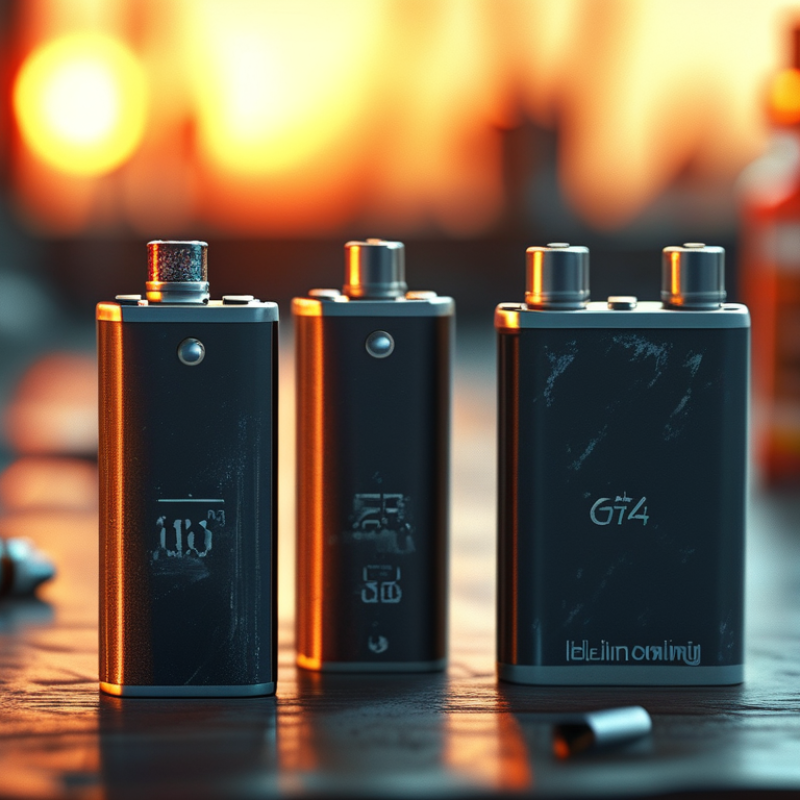
Why Does a Vape Battery Not Last Long?

How Vape Batteries Work and What Determines Their Runtime

A vape battery stores electrical energy in a rechargeable cell. When activated, the cell sends current to a heating coil. The coil converts that energy into heat, warming the liquid and producing an aerosol. Runtime depends on more than battery capacity alone. Small details matter. Higher power settings draw current faster, like opening a wider tap. A full charge can then disappear during a shorter session.

Capacity is usually measured in milliamp-hours, or mAh. A larger number generally means more stored charge, but it does not guarantee longer use. Coil resistance, output power, activation time, and airflow all affect consumption. Frequent, long draws can drain the cell quickly. Cold conditions may also reduce temporary performance. Age matters too. After repeated charging cycles, a cell may hold less energy than before. In practical use, runtime can feel inconsistent because daily habits change.

Charging equipment and cable quality can affect charging speed, but they cannot increase the battery’s capacity. A battery that becomes unusually hot, swells, leaks, or smells different should be removed from service. Do not keep using it. Follow the recommended charging instructions, and avoid charging on soft or covered surfaces. My earlier assumption was too simple: capacity alone cannot explain runtime. Power settings and draw length often reveal the real cause. Battery estimates remain approximate.

Common Reasons a Vape Battery Drains Quickly

Why Does a Vape Battery Not Last Long?

Common Reasons a Vape Battery Drains Quickly

A vape battery can drain quickly because of power demand, not always battery failure. High-wattage settings pull more current from the cell. Low-resistance coils can empty a charge within hours. A 2024 technical review from Battery University explains that lithium-ion cells lose capacity gradually through charging cycles, heat, and aging. After repeated use, the battery may hold noticeably less energy than when new.

Screen brightness, airflow sensors, vibration functions, and frequent standby activation also consume small amounts of power. Those small losses add up. Cold conditions reduce battery performance temporarily, while excessive heat accelerates long-term wear. The U.S. Fire Administration recorded 195 electronic-cigarette fire and explosion incidents from 2009 to 2016, showing why damaged cells and unsuitable chargers deserve serious attention.

Battery life should never be improved by ignoring safety warnings.

Charging habits matter too. Using the correct cable, avoiding overnight charging, and keeping the device away from metal objects can reduce unnecessary stress. A loose connection may cause repeated charging interruptions. That is easy to miss. In practice, users often blame the battery before checking the power setting, charging cable, or coil condition. I have made that mistake myself.

If a fully charged device drops rapidly, becomes unusually hot, or shows physical damage, stop using it and seek qualified technical advice.

How Vaping Habits Affect Battery Life

Why Does a Vape Battery Not Last Long?

How Vaping Habits Affect Battery Life

A vape battery often drains quickly because of usage patterns, not just battery age. In my experience, frequent short sessions can consume more power than occasional longer sessions. Each press activates the coil and heating system. Many activations create a steady energy demand.

High-power settings also shorten runtime. Longer draws make the device work harder and produce more heat. Chain vaping can warm the battery, especially when the device sits in a pocket afterward. Heat speeds up battery wear over time. Cold conditions can reduce performance too.

I used to blame the battery immediately. That assumption was too simple. A worn coil, restricted airflow, or thicker liquid may require more power. The device then drains faster during normal use. Cleaning the connection and checking the device settings can reveal small problems.

Charging habits matter as well. I avoid using a damaged battery or leaving a device charging unattended. A suitable charger and a cool, dry surface are safer choices. Repeatedly draining the battery completely may also increase stress. It is better to recharge when the device shows low power.

Small changes help. Use moderate settings. Take reasonable breaks. Pay attention to unusual heat, swelling, or a sharp drop in runtime. Stop using the device if these warning signs appear. Batteries do not always fail dramatically. Sometimes, performance simply becomes inconsistent before the problem is obvious.

Battery Age, Capacity, and Charging Performance

A vape battery may feel weak long before it stops working. Battery age is often the hidden cause. Battery University’s BU-808 guide reports that many lithium-ion cells retain roughly 70–80% capacity after 300–500 full cycles. A cycle means total use equal to 100% capacity, not one charging session.

Capacity also changes daily performance. A 1,000 mAh cell stores less energy than a 2,000 mAh cell, so frequent use drains it faster. Higher power settings increase current demand and create more heat. The U.S. Department of Energy identifies heat as a major factor in lithium-ion aging. Warm storage matters, too. A battery left in a hot vehicle may deteriorate faster than one kept at room temperature.

Charging performance can reveal trouble. Lithium-ion charging normally uses constant current, then constant voltage. If the cable, connector, or charging circuit performs poorly, charging may become slow or incomplete. UL safety guidance stresses using compatible charging equipment and avoiding damaged cells. A practical check is simple: record the charging time, usage pattern, and battery temperature for several days. My own assessment would not trust one observation. Battery readings can be imperfect. A rapid percentage drop, unusual heat, or swelling deserves immediate attention, not another charging cycle.

Ways to Extend the Life of a Vape Battery

A vape battery may seem weak when it is exposed to heat, charged poorly, or used repeatedly at high power. Lithium-ion batteries naturally lose capacity over time, but daily habits can speed up that decline. I used to blame the battery immediately. In practice, the charging routine often mattered more.

Keep the device away from direct sunlight, hot cars, and damp areas. Heat can stress the battery and reduce its usable capacity. Use the supplied charging cable or a compatible charger with the correct specifications. Avoid charging overnight or leaving the device unattended. A cool, dry surface is safer than a bed or sofa. Small details matter.

Clean the charging contacts gently with a dry cotton swab. Dirt can create a weak connection and extend charging time. Do not use a battery with swelling, cracks, leaks, unusual heat, or a damaged wrapper. Stop using it. Replace it through an appropriate recycling or disposal service, and never attempt a repair. Charging before the battery becomes completely empty may reduce deep-discharge stress, although this is not a perfect rule. I still forget sometimes. Keeping power settings moderate can also reduce heat and current demand, especially during frequent use. Follow the device instructions, inspect the battery regularly, and treat unusual performance as a warning rather than an inconvenience.

Why Does a Vape Battery Not Last Long?

Lithium-ion batteries generally last longer when they are not repeatedly discharged to empty. Typical cycle-life estimates show that shallower discharge cycles can provide significantly more charge cycles. To extend vape battery life, avoid excessive heat, recharge before the battery is completely empty, use the correct charger, and unplug it after charging.

FAQS

: Why does my vape battery drain so quickly?

: High power settings demand more current. Low-resistance coils can empty a charge within hours. Frequent activation also consumes energy.

Can short, frequent sessions reduce battery life?

Yes. Every press activates the heating system. Many short sessions create repeated power demand. I once blamed the battery too quickly.

Do heat and cold affect battery performance?

Heat accelerates long-term wear. Cold can reduce performance temporarily. Avoid leaving the device in a hot car or freezing environment.

How does battery age change runtime?

Lithium-ion cells gradually lose capacity through use, heat, and aging. A battery may feel weak before it stops working.

Can the coil or airflow cause faster draining?

Yes. A worn coil, restricted airflow, or thicker liquid may require more power. Checking these parts can reveal the real problem.

What charging habits may help protect the battery?

Use compatible charging equipment. Charge on a cool, dry surface. Avoid overnight charging and unattended charging.

What signs mean I should stop using the device?

Stop if it becomes unusually hot, swells, leaks, or loses power sharply. Physical damage also requires immediate caution.

Can a loose cable cause charging problems?

Yes. A loose connection may interrupt charging repeatedly. Inspect the cable and connector instead of assuming the battery failed.

Should I fully drain the battery before recharging?

Not usually. Recharge when the device shows low power. Repeated full discharges may add unnecessary stress.

How can I investigate short battery life?

Track charging time, power settings, usage, and temperature for several days. One observation can mislead you. Pattern matters.

Conclusion

A vape battery’s runtime depends on several factors, including its capacity, power output, device settings, coil resistance, and how frequently it is used. When asking “how long does a vape battery last,” there is no single answer because heavier use and higher power settings consume energy more quickly. Frequent vaping, long sessions, and advanced features such as adjustable output can also cause the battery to drain faster.

Battery age and charging performance are equally important. Over time, a battery may lose capacity, take longer to charge, or run out of power sooner than it once did. To extend battery life, use suitable power settings, avoid unnecessary continuous use, charge the device with the recommended equipment, and keep it away from extreme heat or cold. Regularly checking the battery’s condition and replacing it when it shows damage or unusual performance can help support safer, more reliable operation.

Sienna

Sienna

Sienna is a skilled marketing professional with a deep expertise in our company’s core products and services. With a passion for innovation and detail, she plays a pivotal role in crafting insightful blog posts that not only highlight the unique features of our offerings but also provide valuable......