As the 2026 China Import Expo approaches, questions arise in various industries. One pressing query is, "Can vape cartridges expire?" Industry expert Dr. Sarah Collins states, "Vape cartridges can lose potency over time, compromising the user experience." This highlights the importance of understanding product longevity.
Many consumers may not realize that vape cartridges are not immune to expiration. They contain components that can degrade, affecting both flavor and effectiveness. Proper storage plays a critical role in maintaining their quality. Excessive heat or light can accelerate this degradation.
While some cartridges might still function after their recommended shelf life, diminished quality is common. This raises concerns for both manufacturers and consumers. As we prepare for an event like the China Import Expo, awareness of such details becomes vital. Understanding potential product limitations ensures informed decisions ahead of purchasing.
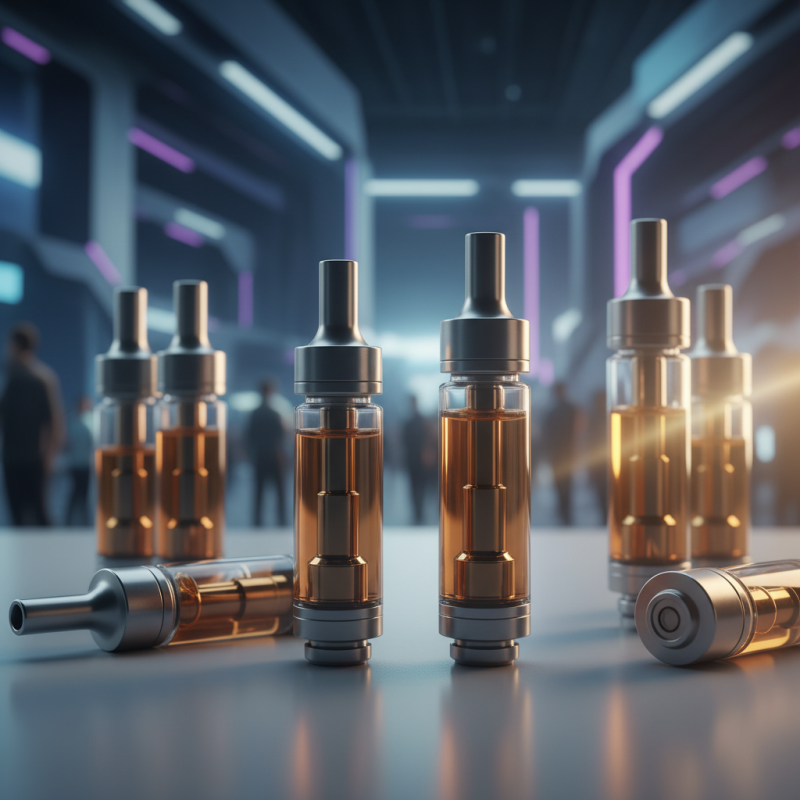
Vape cartridges are small containers filled with liquid designed for vaporization. They typically contain ingredients like vegetable glycerin, propylene glycol, flavorings, and sometimes nicotine. Users enjoy the convenience of these cartridges because they can easily switch flavors. Each cartridge usually connects to a battery-powered vape pen. This setup allows for easy inhalation of vapor.
However, not all cartridges are created equal. Over time, the liquid inside can break down. Factors like heat, light, and air exposure can affect quality. Cartridges that are not stored properly may develop a strange taste or lose potency. It’s essential to pay attention to storage conditions.
Even when cartridges seem fine, they may have subtle changes. The color or viscosity of the liquid can shift. This might mean they are nearing the end of their usable life. It’s a good idea to inspect cartridges regularly. This ensures you’re getting the best experience. Ultimately, understanding the workings of vape cartridges helps users evaluate their options better.
Vape cartridge shelf life can be influenced by several critical factors. Firstly, temperature plays a significant role. High heat may cause degradation of the liquid inside. Studies suggest optimal storage temperatures should range between 15°C to 20°C. Cartridges left in hot environments may spoil much faster.
Secondly, light exposure can affect quality. Ultraviolet light can break down compounds in vape oil. A report found that exposure to sunlight can reduce potency by 30% in just a few weeks. This might lead you to rethink the storage location for your cartridges. Keeping them in opaque containers can be a simple yet effective solution.
Lastly, the type of ingredients used also matters. Natural ingredients tend to have a shorter shelf life than synthetic ones. For example, cartridges with botanical extracts may start losing flavor within six months. Industry specialists recommend inventory checks and proper labeling to ensure freshness. Adopting smart storage habits will help maintain the quality of vape cartridges until the 2026 China Import Expo and beyond.
Vape cartridges can lose potency over time. Signs of expiration may not be obvious at first glance. A change in color is a common indicator. If the liquid appears darker than usual, it could be a red flag. The texture may also feel thicker or stickier. Users should be cautious of these visual changes.
Another noticeable sign is the flavor. Fresh cartridges typically have a clean, crisp taste. If you notice a muted or unpleasant flavor, it may be time to let it go. The scent can also change. An off-putting or less vibrant aroma can mean the cartridge has deteriorated. These alterations might just seem minor, but they can affect the overall experience.
Additionally, be aware of the expiration date marked on the cartridge packaging. Ignoring these dates can lead to disappointment. Many people overlook these details, thinking freshness lasts longer. Regular checks can prevent mishaps. Remember, a quality experience hinges on using fresh products. Always prioritize your satisfaction and health.
Understanding regulations surrounding vape cartridge expiration is vital, especially ahead of significant events like the 2026 China Import Expo. According to a recent industry report, around 45% of vape-related products in the market may not comply with expiration guidelines. This non-compliance creates potential health risks for consumers. The Chinese government has been tightening regulations to ensure safety and quality.
Expiration dates for vape cartridges vary. Manufacturers suggest a shelf life of 1-2 years. However, various factors can impact this. Heat, light, and humidity can degrade the content faster. A study highlighted that 30% of users experience diminished flavor after the first year. This can lead to disappointment among consumers. Many might not check expiration dates, assuming products remain effective indefinitely.
The call for stricter regulations is growing. Industry experts urge clear labeling to assist consumers. Transparency helps in promoting safer usage. The challenge lies in balancing regulatory demands with market innovation. As the expo approaches, companies should prioritize compliance. Otherwise, the risk of product recalls and loss of consumer trust increases.
| Vape Cartridge Type | Typical Expiration Date | Storage Conditions | Regulatory Status in China |
|---|---|---|---|
| Standard Cartridge | 2 years | Cool, dry place | Marketed with expiration dates |
| High-CBD Cartridge | 18 months | Avoid direct sunlight | Under review for regulations |
| Custom Blends | Varies by manufacturer | Controlled humidity | Strictly regulated |
| Disposable Cartridge | 1 year | Room temperature | Compliance required |
As the 2026 China Import Expo approaches, many consumers may wonder about the shelf life of vape cartridges. While most products have a recommended shelf life, variations exist based on storage conditions. For instance, exposure to heat or light can degrade essential compounds. Therefore, consumers need to pay attention to how and where they store these products.
The reality is that some cartridges may lose potency even before their official expiration date. If you notice changes in flavor or consistency, it might be time to reconsider your use. Investing in better storage solutions could prolong their lifespan. Keeping them in a cool, dark place can help maintain quality, but it’s not foolproof.
Educating oneself about the indicators of expired products is essential. Over time, certain characteristics may become subtle yet significant. It’s easy to overlook these signs, particularly for less experienced users. Being aware and vigilant can enhance your experience and prevent unnecessary waste.
: Vape cartridges are small containers filled with liquid meant for vaporization. They include ingredients like vegetable glycerin and flavorings.
Signs of expiration include darker liquid color, thicker texture, and muted flavor. Check these aspects regularly.
Improper storage can lead to strange tastes and potency loss. Factors like heat and light can degrade quality quickly.
Ignoring expiration dates can result in a disappointing experience. Many people assume products last longer than they do.
Heat, light, and humidity can reduce the shelf life significantly. Manufacturers usually suggest a 1-2 year shelf life.
A noticeable change in the scent or flavor can signal degradation. These alterations can affect overall enjoyment thoughtfully.
No, regulations vary by region. In some areas, many cartridges may not comply with current expiration guidelines.
Regular inspections are recommended to ensure quality. Look for any visual changes at least once a month.
If you detect changes, consider discontinuing use. A poor experience may arise from using degraded cartridges.
Stricter regulations aim to ensure safety but may pose challenges for manufacturers. Transparency is crucial for informed consumer choices.
The article explores the question, "can vape cartridges expire," shedding light on the essential aspects of these products. It begins with an understanding of vape cartridges, detailing their components and functionality. The discussion then shifts to various factors that influence their shelf life, including storage conditions and exposure to heat and light.
Furthermore, it outlines key signs that may indicate the expiration of vape cartridges, such as changes in color, viscosity, or flavor. The article also addresses the regulatory landscape in China concerning vape cartridge expiration, emphasizing the importance of awareness for consumers as they approach the 2026 China Import Expo. Understanding these aspects is crucial for consumers to ensure product quality and safety.

Xyvo Vape