Choosing a vaping setup can feel confusing when product pages use “pen” and “cartridge” as if they mean the same thing. They do not. A vape pen is usually the powered device, with a battery and a connection point. A cartridge is a replaceable container designed for a compatible system. That difference matters. Before comparing products, ask: what is the difference between vape pens and cartridges, and which parts are compatible? Check manufacturer specifications instead of relying on a similar shape or a shop label. Small details count. Thread type, voltage range, cartridge capacity, and charging method can affect everyday use. A pen that looks sleek may still be awkward to carry or maintain.
This guide covers five practical comparison points: compatibility, battery performance, cartridge design, upkeep, and total cost over time. Look for clear product documentation, dependable materials, and instructions for safe charging and storage. Avoid assuming that a higher price means better quality. It may not. Consider whether replacement parts are clearly identified, since confusing labels can lead to wasted money. Experiences differ, and product claims deserve a careful read. Even a detailed specification sheet cannot predict how a device will feel in your hand. Vaping carries health risks, especially for young people and people who do not already use tobacco or nicotine products. Follow applicable age restrictions and local rules, and consult a qualified health professional with health questions. A measured comparison is more useful than a rushed purchase.
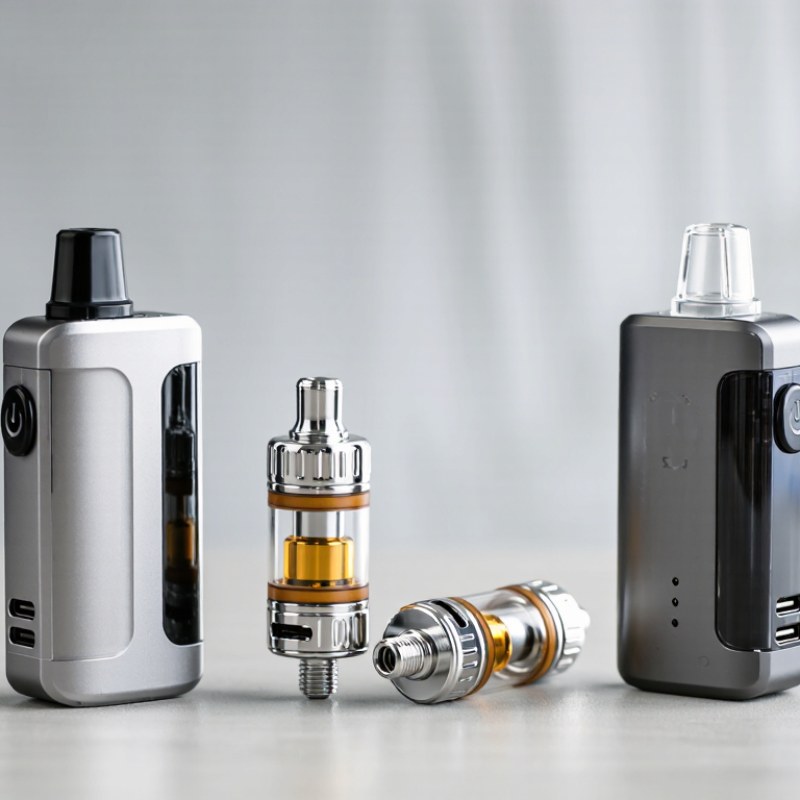
5 Tips to Compare Vape Pens and Cartridges
A vape pen is a small electronic device that heats liquid into an inhalable aerosol. It usually contains a rechargeable battery, heating element, control button, and charging port. Some models activate when the user inhales. Others require a button press. The design can feel simple, but battery quality matters greatly.
A cartridge is the replaceable section that holds e-liquid and connects to the pen. It commonly includes a reservoir, wick, coil, and mouthpiece. Some cartridges are prefilled, while others can be refilled with legally sold products. Compatibility is important. A cartridge may not fit every battery, even when both look similar. Check the connection type, capacity, and manufacturer instructions before purchase.
When comparing options, inspect the seal and mouthpiece for leaks or damage. Clear liquid can still contain ingredients that cause irritation. Nicotine-free does not mean risk-free. Look for ingredient information, safety testing, and clear storage guidance. Avoid damaged batteries, unusual odors, or devices that become hot during normal use. Charging should occur on a stable surface, away from heat and moisture. Battery performance often receives less attention than appearance. That is a mistake. Still, product labels may be incomplete, so careful judgment remains necessary. Follow local age requirements and regulations.
| 5 Tips to Compare Vape Pens and Cartridges — Define Vape Pens and Cartridges | |||
|---|---|---|---|
| Comparison Point | Vape Pen | Cartridge | What to Compare |
| 1. Definition | A handheld, battery-powered device that heats material to create an inhalable aerosol. Some pens include a built-in reservoir; others connect to a separate cartridge. | A small container that holds vape liquid or oil and typically includes a mouthpiece and a heating element. Many cartridges need a compatible battery to operate. | Check whether the product is a complete device or only a replaceable component. The terms can describe different parts of a vaping setup. |
| 2. Compatibility | May use a built-in reservoir or connect to a cartridge. Connection type, voltage, and physical fit vary by device. | Must match a compatible battery or device. Threading, dimensions, and electrical requirements are not universal. | Confirm the connection type and manufacturer-stated compatibility before purchase; a cartridge and battery that look similar may not work together. |
| 3. Refill or replacement | Depending on its design, a pen may be refillable, use replaceable cartridges, or be disposable. Follow the device instructions. | Often replaced when empty or when its heating element stops working. Some cartridge designs are refillable, but many are not intended to be refilled. | Look for clear instructions on refilling, replacing, and disposing of each component. Do not force open a sealed cartridge. |
| 4. Power and heating | Battery capacity, output settings, charging method, and heating control vary. Not every pen has adjustable settings. | The cartridge’s heating element must work with the connected device. Performance can depend on the cartridge design and the battery output. | Compare stated battery specifications and operating guidance. Use only settings and charging accessories recommended for the device. |
| 5. Materials, labeling, and safety | Inspect the device for intact construction, clear operating instructions, and relevant battery and charging information. | Check that the container is sealed and clearly labeled with its contents and applicable safety information. Contents and rules vary by product and location. | Prefer products with transparent labeling and follow local laws. Keep devices and cartridges away from children and pets; vaping aerosol is not harmless. |
A vape pen is a small electronic device that heats liquid into an inhalable aerosol. It usually has a battery, heating element, button, and charging port. Some devices activate when you inhale. A simple design can still hide weak battery construction.
A cartridge is the replaceable section that holds e-liquid. It may contain a reservoir, wick, coil, and mouthpiece. Some cartridges are prefilled, while others accept legally sold refill liquids. Fit matters. Similar-looking parts may still be incompatible.
Check the connection type, capacity, and instructions before buying. Inspect the threading and contact points. The cartridge should fit firmly without force. A loose connection may cause leaks or uneven airflow. Guessing here is risky.
Look for sharp seams, rattling parts, damaged seals, or a cracked mouthpiece. The device should feel balanced in your hand. A metal shell may resist impacts, while coated plastic may weigh less. Weight alone proves nothing. A heavy device can still have weak internal parts.
Battery protection matters more than decorative lights. Look for safeguards against overheating, overcharging, and short circuits. Do not use swollen batteries, damaged cables, or unusually hot devices. Charge on a stable, dry surface away from heat. Still, labels may be incomplete.
Clear liquid does not prove purity or safety. Even nicotine-free liquid may cause irritation or other unwanted effects. Look for ingredient details, testing information, and storage guidance. Avoid products with strange odors, leaks, or unclear labeling. I would not trust attractive packaging alone.
Check the connection regularly for residue or looseness. Wipe contact points with a dry cotton swab. Never use a cracked tank, leaking cartridge, or swollen battery. Use the supplied or properly rated charger. Small faults can become serious.
Requirements differ by country, state, and municipality. Check current government guidance before buying, using, or traveling with the device. Review age limits, permitted ingredients, labeling, packaging, and disposal rules. Online listings may be outdated. Check twice.
This guide explains what is the difference between vape pens and cartridges and how each component functions in a vaping system. It outlines the basic features of vape pens, which generally provide power and heating, and cartridges, which hold the intended e-liquid or approved material. Readers will learn how to check connection types, voltage requirements, and overall compatibility before making a purchase.
The comparison also considers design, materials, durability, capacity, vapor performance, battery life, and total cost. In addition, it highlights practical maintenance, including proper storage, cleaning, charging, and inspection for damage or leakage. Finally, the guide encourages users to follow product instructions, prioritize age-appropriate and safety-conscious use, and review all applicable local requirements. Together, these tips provide a clear framework for choosing a reliable, compatible, and responsibly used vaping setup.

 Xyvo Vape