How to Make a China Vape Battery Last Longer?

Time:2026-09-15 Author:Mason
0%

How to Make a China Vape Battery Last Longer? This guide explains practical, safety-focused habits for extending battery performance in legally purchased, regulated devices. Many China-made vape products use lithium-ion cells, which dislike heat, deep discharge, and careless charging. Small choices matter.

Battery educator Isidor Buchmann, founder of Cadex Electronics, says, “The battery is a living organism.” That simple observation supports the central idea behind how to make a vape battery last longer: treat the cell gently. Avoid leaving the device in a hot car or under direct sunlight. Heat can accelerate battery wear, especially inside a metal-bodied device. Use the manufacturer’s recommended charger and cable. Do not charge overnight or on soft surfaces such as beds.

Keep the charging port dry and free from lint. Clean contacts carefully with a dry cotton swab. Try to recharge before the battery reaches a critically low level. Constantly draining it completely may reduce usable capacity over time. For longer storage, keep the battery partly charged in a cool, dry place. Around 40–60% charge is a sensible target. Never use a swollen, cracked, leaking, or unusually hot battery. Stop immediately.

These recommendations reflect standard lithium-ion care, not a promise of infinite battery life. I should admit one limitation: charging habits cannot repair a poor-quality cell. Check labeling, manufacturer instructions, and relevant safety certifications before purchase. If the device behaves strangely, replace it through an approved recycling channel. Better battery care begins with caution, not experimentation.
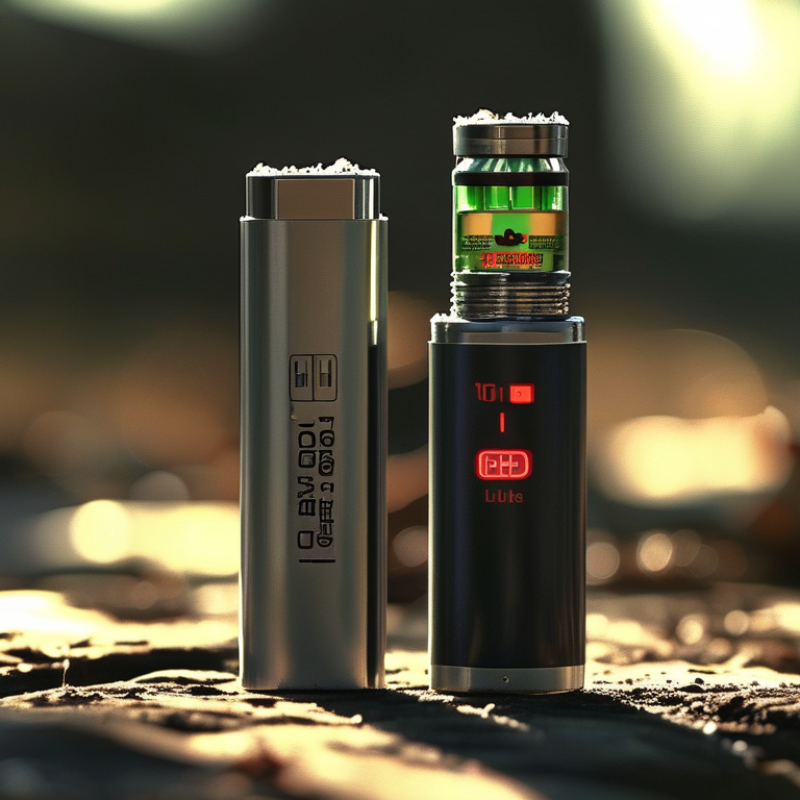
How to Make a China Vape Battery Last Longer?

Identify China Vape Battery Type, Chemistry, and Rated Capacity in mAh

How to Make a China Vape Battery Last Longer?

Identify the battery type before judging its performance. Chinese-made vape devices commonly use lithium-ion cells, including cylindrical 18650, 20700, 21700, or sealed pouch formats. The label should show chemistry, rated capacity, voltage, and manufacturing information. Chemistry matters. INR or NMC cells usually balance energy and discharge performance, while lithium-polymer pouches need careful handling because their flexible cases can swell.

Rated capacity is measured in mAh, not hours of use. A 1,500 mAh cell stores less charge than a 3,000 mAh cell, but actual runtime depends on power output, airflow, temperature, and coil resistance. IEC 61960-3 defines capacity testing under controlled conditions, so printed mAh values should not be compared blindly. A technical review, BU-808, reports that many lithium-ion cells provide roughly 300–500 full charge cycles before noticeable capacity loss. Real use can be harsher.

Check the datasheet.

Avoid mixing unmatched cells or using damaged batteries. Store the device away from heat, moisture, and metal objects. Frequent deep discharges may accelerate aging, while moderate charging habits can reduce stress. I have found that users often blame the battery when high power settings cause rapid drain. That assumption is not always correct.

Capacity estimates also become unreliable in cold conditions, and some low-cost labels may require independent testing. Use the manufacturer-specified charger and replace any swollen, leaking, or visibly damaged cell.

Charge Li-Ion Vape Batteries at 4.2 V Using the Correct Charger

How to Make a China Vape Battery Last Longer?

A lithium-ion vape battery needs the correct charging voltage. For most standard lithium-ion cells, full charge is 4.2 V. Use only a charger designed for the battery’s chemistry, size, and charging specifications. Battery University’s BU-409 technical guidance states that charging above 4.2 V can increase capacity slightly, but it also accelerates stress and reduces service life. A safer routine is more valuable than a faster one.

Tips: Check the label before charging. Stop if the battery becomes unusually hot, swollen, cracked, or smells strange. Never force a loose cell into an incompatible charger. UL Solutions identifies overcharging and unsuitable charging equipment as major lithium-ion safety concerns. Do not leave the battery charging unattended.

In practical use, I avoid charging immediately after heavy operation. I let the cell cool on a dry, nonflammable surface first. The charger should show a controlled constant-current and constant-voltage process, ending near 4.2 V. Battery University also reports that a 4.10 V limit may retain about 90% of a cell’s rated capacity while improving cycle life. This trade-off is easy to overlook. However, not every battery uses the same chemistry, and some device-integrated packs require different limits. Check the manufacturer’s electrical specifications instead of guessing. A small mistake here can quietly damage the cell.

How to Make a China Vape Battery Last Longer? - Charge Li-Ion Vape Batteries at 4.2 V Using the Correct Charger

Battery-care dimension Recommended value or practice Why it helps battery life Important safety note
Correct charging voltage Use a charger designed for a single-cell rechargeable Li-ion battery with a 4.20 V constant-voltage limit. The correct voltage prevents overcharging and reduces unnecessary stress on the cell. Do not use a charger intended for a different chemistry, voltage, or number of cells.
Charging method Choose a proper CC/CV charger: constant current first, followed by constant voltage until the current tapers. CC/CV charging is the standard method for most 4.20 V Li-ion cells. Stop charging when the charger indicates completion; do not continue with a trickle charge unless the cell specification permits it.
Charging current Use the current specified for the exact cell. When no specification is available, a conservative rate around 0.5C is commonly used. Lower, specification-compliant current generally produces less heat and can reduce charging stress. Never select a current based only on the battery’s physical size or printed capacity.
Charge level for daily use If the device allows it, avoid keeping the cell at 100% for long periods; charging before it becomes fully depleted is preferable. Avoiding prolonged exposure to maximum voltage can reduce calendar aging. Follow the device’s built-in charging instructions and battery-management protections.
Deep-discharge prevention Recharge when the device indicates low battery; do not repeatedly run the cell until the protection circuit disconnects. Frequent deep discharge can increase wear and may cause a protected cell to enter a difficult-to-recover state. Do not attempt to force-charge a cell that has been deeply discharged or rejected by the charger.
Operating temperature Keep the battery cool and within the temperature range specified by its manufacturer; avoid charging a hot battery. Heat accelerates chemical aging and can increase internal pressure. Do not charge in direct sunlight, inside a hot vehicle, or near flammable materials.
Storage charge For storage lasting several weeks or longer, keep the cell partially charged, commonly around 40–60%, in a cool, dry place. Partial charge and lower temperature slow capacity loss during storage. Check stored batteries periodically and keep terminals protected from metal objects.
Physical condition Inspect the wrapper, terminals, and cell body before charging or use. Early detection of damage helps prevent short circuits and overheating. Stop using and properly recycle any cell that is swollen, leaking, dented, torn, unusually hot, or damaged.
Charging supervision Place the device on a non-flammable, stable surface and unplug it after charging is complete. Supervision limits the consequences of charger, cell, or device failure. Never charge a loose cell without a charger specifically designed for that cell type and configuration.

Note: Always follow the specifications supplied for the exact battery and device. A 4.20 V charging limit applies to standard 4.20 V Li-ion cells and is not automatically suitable for every rechargeable battery chemistry.

Keep Battery Temperature Between 15–25°C During Charging and Use

How to Make a China Vape Battery Last Longer?

Keeping a vape battery between 15–25°C can reduce stress during charging and daily use. This range is comfortable for most lithium-ion cells. Heat is the main concern. A battery left in a parked car may become dangerously hot, even when the device feels normal at first. Direct sunlight can raise its temperature quickly.

Charge the device on a dry, hard surface away from windows and heaters. Let it cool after extended use before connecting the charger. Do not charge a warm battery immediately. A small room thermometer can help, but it is not essential. Touch is an imperfect test. The device should feel mildly warm, never hot or uncomfortable. Cold conditions matter too. If the battery feels very cold, allow it to return to room temperature before use or charging.

Inspect the battery regularly for swelling, dents, cracks, leaking, or unusual odor. Stop using it if any warning sign appears. Use the correct charging equipment and avoid overnight charging when possible. I used to think battery aging was unavoidable, but temperature control made a noticeable difference in routine use. Still, 15–25°C is a practical target, not a guarantee. Battery age, charging habits, and storage conditions also affect performance. Store the device away from moisture and extreme temperatures. Keep it out of children’s reach.

Store Vape Batteries at 40–60% Charge for Long-Term Capacity Retention

How to Make a China Vape Battery Last Longer?

Store Vape Batteries at 40–60% Charge for Long-Term Capacity Retention

For long-term storage, keep a vape battery between 40% and 60% charge. This middle range reduces stress on lithium-ion cells. A fully charged battery may lose capacity faster during several weeks of storage. An almost empty cell can also fall below its safe operating voltage. Around half charge is a practical balance.

Check the battery before storing it. It should feel cool, dry, and free from dents, swelling, or torn wrapping. Never store a loose battery beside keys, coins, or other metal objects. Use a protective case in a dry place away from direct sunlight. Heat is the quiet problem.

I check stored batteries every few weeks. If the level drops near empty, I recharge it carefully according to the device instructions. I avoid leaving it connected overnight or charging it unattended. A battery meter is helpful, but it is not perfectly accurate. That small limitation deserves attention. When storage ends, inspect the battery again and stop using it if its condition has changed.

How to Make a China Vape Battery Last Longer?

Store vape batteries at approximately 40–60% charge when they will not be used for an extended period. Partial charge reduces calendar aging compared with storing a lithium-ion battery fully charged.

Practical guidance: For long-term storage, charge the battery to 40–60%, keep it in a cool and dry place, protect it from direct sunlight, and check the charge periodically. The chart shows representative lithium-ion storage behavior at approximately 25°C; actual capacity retention varies with cell chemistry, temperature, age, and charging quality.

Replace Batteries After About 300–500 Full Charge Cycles or Visible Damage

A China vape battery can lose capacity gradually, even when its exterior looks normal.

A full charge cycle means using 100% of the battery’s capacity, not necessarily charging once. For example, two half-charges equal roughly one cycle. After about 300–500 full charge cycles, performance may weaken noticeably. Shorter runtime, sudden power drops, or unusual warmth are practical warning signs.

Replace the battery immediately if you notice swelling, cracks, leaks, torn wrapping, corrosion, or a loose connection. Do not charge or continue using a damaged battery. Store the replacement in a dry, cool place, away from metal objects such as keys or coins. Use a compatible charger and avoid leaving the device charging unattended. These habits reduce stress on the cells, although they cannot prevent normal aging.

Tips:

Track charging habits for a clearer estimate of battery cycles. Inspect the battery during routine cleaning. A small dent may seem harmless, but it deserves attention. Never force a battery into the device. If the battery becomes hot during ordinary charging, stop using it and seek qualified advice. Cycle counts are estimates, not promises; temperature, charging speed, and storage conditions can change the result. Replacing a tired battery is usually safer than trying to extend it for a few more days.

FAQS

What charging voltage is suitable for a standard lithium-ion device battery?

Most standard lithium-ion cells reach full charge at 4.2 V. Check the battery specifications first.

Can I use any charger with the battery?

No. Use a charger matching the battery’s chemistry, size, and charging requirements. Compatibility matters.

Should I charge the battery immediately after heavy use?

Let it cool on a dry, nonflammable surface first. Charging a hot cell adds unnecessary stress.

What temperature range is practical during charging and use?

Aim for 15–25°C. Avoid parked cars, heaters, windows, and direct sunlight.

How can I recognize a damaged battery?

Stop using it if you notice swelling, dents, cracks, leaking, torn wrapping, heat, or unusual odor.

What charge level is best for long-term storage?

Store the battery around 40–60% charge. Half charge is a useful middle ground.

How should I store a loose battery safely?

Keep it cool, dry, and inside a protective case. Keep keys and coins away from exposed contacts.

Is a 4.10 V charging limit worth considering?

It may extend cycle life while retaining about 90% capacity. However, battery chemistry differs. Check the specifications.

Can I leave the battery charging overnight?

Avoid unattended charging when possible. Place it on a hard, dry surface and monitor the process.

What charging habit deserves more attention?

I used to ignore temperature. That was careless. A mildly warm battery is acceptable; a hot one is not.

Conclusion

Learning how to make a vape battery last longer starts with understanding its battery type, chemistry, and rated capacity in mAh. Use a charger designed for the specific lithium-ion battery, and charge it at the recommended 4.2 V without leaving it unattended or using damaged equipment. During charging and normal use, keep the battery in a moderate environment, ideally between 15–25°C, and protect it from heat, freezing temperatures, moisture, and physical impact.

For long-term storage, keep the battery at approximately 40–60% charge rather than fully charged or completely empty. Store it in a dry, cool place away from metal objects and direct sunlight. Battery performance naturally declines over time, so consider replacing it after about 300–500 full charge cycles, or sooner if you notice swelling, leaks, unusual heat, dents, damaged wrapping, or reduced capacity. Proper charging, temperature control, storage, and timely replacement can help maintain safer and more consistent battery performance.

Mason

Mason

Mason is a seasoned marketing professional with a deep expertise in the company's offerings and a passion for driving brand awareness. With a strong background in digital marketing strategies, he has an innate ability to connect with diverse audiences and effectively communicate product benefits.......