In the rapidly evolving landscape of vaping, understanding what are the trends in the vape hardware industry can provide invaluable insights for businesses and consumers alike. The market is responding to changing user preferences, technological advancements, and regulatory shifts. Hardware innovations are crucial. From portable devices to advanced mods, the variety is expanding.
In recent years, a notable trend is the push for customization. Many users seek personalized experiences. This has prompted manufacturers to develop versatile devices that cater to individual tastes. Additionally, sustainability is gaining traction. Eco-friendly materials and rechargeable products are becoming standard. However, not all companies are keeping pace.
Investors should be cautious. Some trends may not sustain in the long term. For instance, flashy designs might appeal initially but could fade quickly. Reliable data is essential. Analyzing market behavior and user feedback provides a clearer picture. Engaging with experts in the field can also offer deeper insights. Understanding these nuances will aid in navigating the complexities of the vape hardware industry.
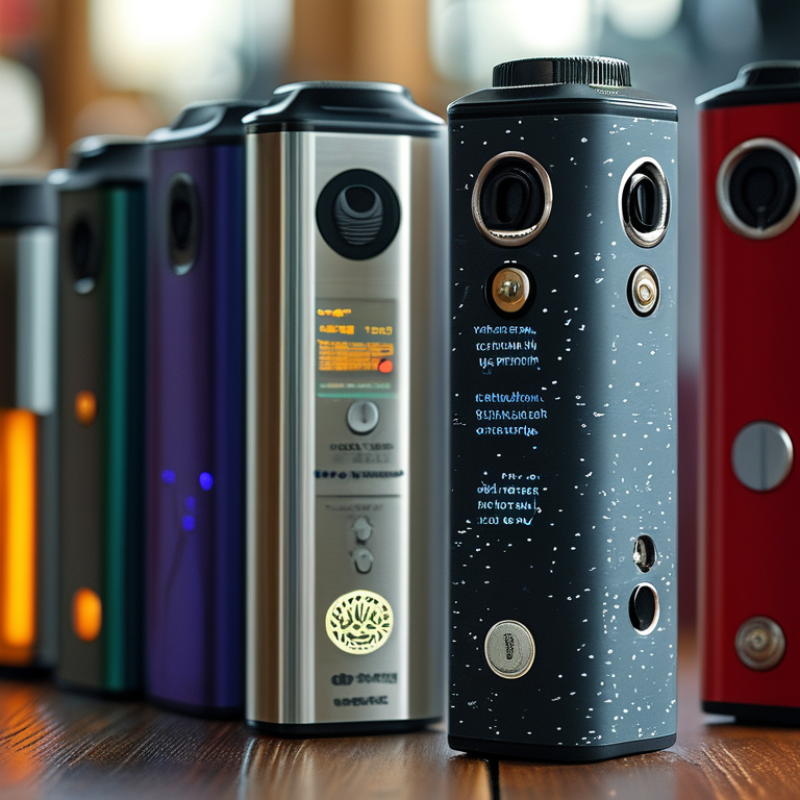
The vape hardware industry is evolving rapidly. According to market research, it is projected to reach $23 billion by 2025. This growth reflects the rising popularity of vaping devices and accessories. Consumer preferences are shifting towards more sophisticated products, such as pod systems and advanced mods. These trends are shaping how companies design and market their hardware.
Data from industry reports suggest that about 45% of users prefer refillable pod systems. This preference highlights a demand for customization and flexibility. Additionally, around 30% of vapers are looking for devices with improved battery life and higher wattage. These specifications are becoming crucial for manufacturers to consider in their product development.
However, the landscape is not without challenges. Regulatory changes are frequent and can impact production. Some companies may struggle to adapt, which can lead to market instability. Another point of concern is the environmental impact of disposable vapes. As awareness grows, there may be pressure for sustainable practices. This evolving scenario invites reflection on how companies will navigate future trends while meeting consumer demands.
Identifying trends in the vape hardware industry requires a keen understanding of key indicators. One crucial element is consumer preferences. Reports indicate that more than 60% of users prioritize flavor options over nicotine strength. This insight reveals that preferences shape product development and marketing strategies.
Another important factor is technological advancements. The industry has seen a rise in devices with customizable settings. According to a recent market analysis, the adoption of smart vapes has increased by 30% in the last year. This trend reflects a shift towards personalization and enhanced user experience.
Industry data also shows that social media plays a significant role in shaping trends. About 70% of vape users engage with brands online. This connection helps brands understand consumer feedback and adapt quickly. The challenge lies in keeping up with rapid changes in preferences and technologies. Data indicates that staying ahead requires constant monitoring and agile responses to emerging trends.
Consumer behavior in the vaping industry reveals interesting patterns. Many users prefer sleek designs and advanced technology. They look for devices that combine functionality with aesthetics. Data shows that portability is a significant factor. Users often seek devices that fit their lifestyle. This trend suggests a move towards more compact vaping options.
Additionally, preferences shift based on flavor variety. Many consumers are drawn to unique and innovative flavors. This diversity keeps the interest alive. Yet, not all products meet safety standards. Users may overlook this aspect when choosing devices. Reliable information is often hard to come by. This gap can mislead consumers about what is safe and effective.
Understanding these consumer preferences helps identify industry trends. Companies must pay attention to feedback. There is a risk of overlooking the importance of quality. As the market evolves, maintaining safety and innovation is crucial. Engaging with consumers directly can provide valuable insights. This feedback loop can lead to better products that satisfy demand.
Emerging technologies in vape hardware have transformed the industry. Innovative designs focus on enhancing user experience while ensuring safety. For instance, advances in battery technology now provide longer usage times and faster charging capabilities. New materials are being explored to create lighter, more durable devices.
Smart features are also on the rise. Some new devices incorporate Bluetooth technology for better control and customization. Users can adjust settings with a mobile app, improving convenience and personalization. These advancements show potential but raise questions about data security and privacy.
Manufacturers are increasingly adopting eco-friendly practices. This approach involves using recyclable materials in products and packaging. While promising, challenges remain in balancing sustainability with performance. Engaging with these trends requires careful consideration of both innovations and their implications.
Identifying trends in the vape hardware industry requires a deep understanding of market dynamics. Utilizing market research techniques can provide valuable insights. Surveys and questionnaires are effective for gathering consumer preferences. Reports show that 70% of vapers prefer devices that offer customization options. This highlights the importance of personalization in product design.
Data analysis of sales figures and online reviews can also reveal emerging trends. For example, a recent report indicated a 30% increase in the demand for pod systems compared to previous years. Monitoring social media platforms can help in understanding consumer sentiment. Observing conversations around specific features can uncover trends that are not yet mainstream.
Tip: Use analytics tools to track the popularity of specific keywords related to vape hardware. This can indicate shifting interests before they become widespread. Industry experts recommend combining qualitative and quantitative research for a comprehensive understanding of market trends. Engaging with community forums can also add depth to your insights, helping you spot gaps in the current offerings.
: The industry is projected to reach $23 billion by 2025.
About 45% of users prefer refillable pod systems for customization.
Improved battery life and higher wattage are now crucial for consumers.
Many manufacturers are adopting eco-friendly practices, using recyclable materials.
New battery technologies offer longer usage and faster charging for devices.
Integration of Bluetooth technology raises questions about data security and privacy.
Surveys, sales data analysis, and social media monitoring are effective methods.
Reports indicate that 70% of vapers value devices that allow customization.
Regulatory changes can impact production and lead to market instability.
This requires careful consideration of both eco-friendly practices and device efficiency.
The article "How to Identify Trends in the Vape Hardware Industry?" explores the dynamic landscape of the vape hardware sector, highlighting essential indicators for recognizing what are the trends in vape hardware industry. It delves into consumer behavior and preferences, emphasizing the importance of understanding what drives users' choices in vaping. Furthermore, the discussion includes emerging technologies and innovations that are shaping the future of vape hardware.
To track these industry trends effectively, various market research techniques are highlighted, providing stakeholders with tools to analyze data and derive insights. By examining the interplay between consumer preferences and technological advancements, the article equips readers with the knowledge to navigate and identify current and future trends in the vape hardware landscape.
Xyvo Vape