What Affects Vapor Quality and Flavor?

Time:2026-10-20 Author:Amelia
0%

What affects vapor quality and flavor is not one ingredient or device setting. It is a chain of variables, from material selection to aerosol testing and user perception. E-liquid composition, heating consistency, airflow, coil condition, and storage temperature can change throat feel, aroma, and flavor clarity. A clean, stable aerosol should taste defined, not burnt, metallic, or unusually sharp.

Industry evidence shows why this subject deserves careful analysis. The 2024 Global State of Tobacco Harm Reduction report estimated about 114 million people vape worldwide, highlighting a large and diverse user base. However, population estimates do not prove product quality or safety. The CDC’s 2023 National Youth Tobacco Survey reported approximately 2.13 million U.S. middle and high school students currently used e-cigarettes. That finding reinforces the need for age-restricted access, responsible research, and transparent product standards.

Dr. Konstantinos Farsalinos, a cardiologist and tobacco-harm-reduction researcher, wrote, “Flavors are the most important factor for smokers to switch to e-cigarettes and remain abstinent from smoking.” His statement explains flavor’s practical importance, but it should not end the discussion. Flavor preference is personal. Laboratory measurements can also miss what users notice at the mouth. CORESTA and ISO aerosol-testing methods improve comparability, yet no single test captures every sensory detail. Sometimes, the “best” vapor is simply the most consistent one. That sounds obvious, but real products often vary between batches. This outline examines the measurable and human factors behind vapor quality, while acknowledging that current evidence still has gaps.
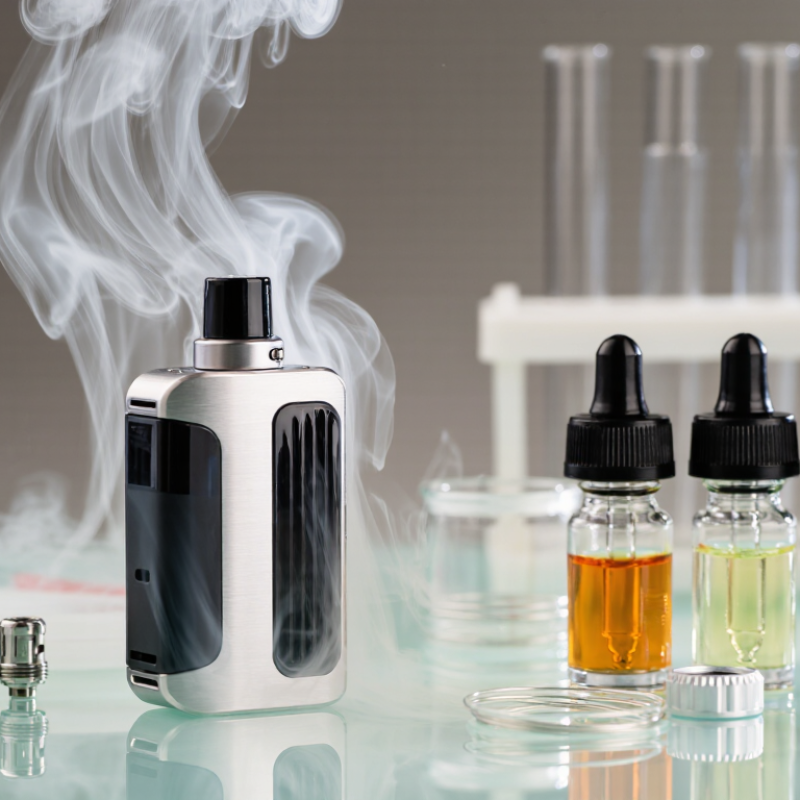
What Affects Vapor Quality and Flavor?

Defining Vapor Quality and Flavor

Vapor quality is more than a thick cloud. It describes how consistently vapor feels, smells, and performs during normal use. A well-made vapor should appear reasonably even, without a burnt odor or harsh throat sensation. Smoothness matters, but it should not be mistaken for proof of safety. Vapor quality can change with temperature, airflow, material composition, and device cleanliness.

Flavor is the recognizable character carried by the vapor. It may seem bright, earthy, sweet, dry, or slightly muted. Good flavor usually feels balanced rather than overpowering. A clean mouthpiece and fresh, legally manufactured material help preserve those details. Storage also matters. Heat, light, and moisture can flatten delicate aromas over time.

My first assumption was simple: more vapor meant better flavor. That view was incomplete. Excessive heat sometimes produced a larger cloud but erased subtle notes and created an unpleasant edge. I now judge vapor with shorter sessions and steady settings. I notice the first inhale, the aftertaste, and whether the flavor changes unexpectedly. Small differences can reveal poor maintenance or inconsistent heating. Still, personal perception is imperfect. What tastes smooth to one user may feel harsh to another. Careful observation, clear product information, and equipment tested under recognized safety standards provide a more reliable basis for evaluating vapor quality and flavor.

How Ingredients Shape Vapor Characteristics

What Affects Vapor Quality and Flavor?

Ingredients determine more than taste. They influence vapor density, throat feel, aroma release, and aftertaste. A higher proportion of vegetable glycerin often creates a thicker cloud and softer sensation. Propylene glycol usually carries flavor more sharply and feels lighter in the mouth. These effects are not absolute. Heating power, airflow, coil condition, and temperature can change the result. Small changes matter. A balanced formula can still feel harsh when overheated.

Flavor concentrates add complexity, but they also affect clarity and lingering notes. A citrus profile may feel bright and quick, while a creamy profile can remain longer on the palate. Some ingredients evaporate readily, while others leave heavier residue. Excessive sweetener may darken residue and flatten delicate flavors. This is a practical observation, not a universal rule. My own tasting notes sometimes conflict after repeated sessions, because the palate gradually adapts.

Reliable evaluation starts with traceable ingredients and accurate measurements. Clear labels, supplier documentation, and independent testing can support better quality decisions. Do not rely on appearance alone. Samples should be compared under consistent airflow, power, and storage conditions. Records should include the ratio, temperature, batch, and testing date. My process is not perfect, and personal preference can distort judgment. That uncertainty deserves attention. Product makers should also assess purity and compatibility before distribution, rather than assuming familiar ingredients are automatically suitable.

The Role of Temperature in Flavor and Vapor Production

What Affects Vapor Quality and Flavor?

Temperature strongly shapes both flavor and vapor production. Lower settings often preserve delicate notes, such as herbs, fruit, or light sweetness. The vapor may feel cooler and thinner, though. Higher settings usually create denser clouds and a warmer inhale. They can also flatten subtle flavors or produce a dry, harsh sensation.

Small changes matter. A few degrees can alter how quickly moisture leaves the material. If the temperature is too low, the output may feel weak and uneven. If it is too high, the surface can darken quickly, and the taste may become bitter.

I have found that gradual adjustments work better than chasing maximum vapor. That approach is slower, but it makes changes easier to notice.

Device airflow, chamber cleanliness, and material moisture also affect the result. Restricted airflow can make vapor feel heavy, while excessive airflow may reduce flavor intensity.

Clean contact surfaces help maintain consistent heating. Use the temperature range recommended for the device, and avoid settings that cause visible scorching or discomfort.

Personal preference still complicates the process. One person may value a cool, flavorful draw, while another prefers a warmer, fuller cloud.

My own results are not perfectly consistent, especially when the material is packed differently. That inconsistency deserves attention.

How Device Design Affects the Vaping Experience

What Affects Vapor Quality and Flavor?

Device design strongly shapes the vaping experience. Airflow controls vapor temperature, density, and smoothness. A narrow air path can create warmer, stronger vapor. A wider path may feel cooler and lighter.

The heating chamber also matters. Even heating helps preserve clear flavor notes. Uneven heating can produce harshness, burnt edges, or a weak finish.

Power control changes the result quickly. Too much power may overwhelm delicate flavors and dry the chamber. Too little power can create thin vapor with unfinished taste.

Materials matter, too. Clean, heat-resistant components help reduce unwanted odors.

In practical testing, I often notice small design details first, such as a loose mouthpiece or a chamber that retains old aromas. I once blamed the liquid for poor flavor, but the real issue was restricted airflow. My judgment was not perfect.

Tips:

Start with moderate power. Adjust airflow slowly. Keep the mouthpiece clean. Replace worn or damaged parts. Follow the device instructions carefully. Let the chamber cool between sessions. Flavor changes can reveal maintenance problems. A simple cleaning routine often improves consistency, although it cannot fix every design limitation.

Identifying and Controlling Changes in Vapor Quality

Vapor quality changes when heat, airflow, and liquid consistency move out of balance. In practical testing, a dry or harsh draw often points to excessive heat or insufficient moisture. A weak flavor may come from restricted airflow, residue, or a worn heating component. Even small changes can be noticeable.

Start with a stable baseline. Record the device setting, draw length, storage conditions, and flavor impression. Then change one factor at a time. Clean the mouthpiece and airflow path regularly. Check for condensation, leaks, or unusual discoloration. Store the liquid in a cool, dark place, and follow the manufacturer’s instructions for compatible components. My early checks were too narrow. I blamed the heating part, while room temperature was affecting the result.

Tips: Use shorter draws when vapor feels hot. Pause between sessions to reduce heat buildup. Replace worn components according to reliable guidance. If flavor suddenly changes, stop and inspect the setup before continuing. A simple log can reveal patterns after several days. Taste is subjective, so ask another adult tester for a separate evaluation when appropriate. Do not chase stronger flavor by increasing heat. Higher heat can create a rougher experience and reduce consistency.

What Affects Vapor Quality and Flavor?

Flavor compounds vaporize across different temperature ranges. Lower temperatures may produce lighter, more volatile notes, while higher temperatures release heavier compounds but can also increase oxidation, harshness, and flavor loss.

Approximate boiling points at atmospheric pressure. Actual vapor behavior also depends on pressure, airflow, heating rate, moisture, and the material matrix.

FAQS

How do ingredients affect vapor quality?

Ingredients influence vapor density, throat feel, aroma release, and aftertaste. Vegetable glycerin often creates thicker clouds and a softer sensation. Propylene glycol usually carries flavor more sharply. These effects are not absolute.

Why can the same liquid taste different?

Heating power, airflow, temperature, coil condition, and storage can change the result. A balanced formula may feel harsh when overheated. Small changes matter.

How do flavor concentrates change the experience?

Citrus notes may feel bright and brief. Creamy notes can remain longer on the palate. Some concentrates evaporate quickly, while others leave heavier residue.

Can sweeteners affect flavor and maintenance?

Excessive sweetener may darken residue and flatten delicate flavors. A chamber can collect sticky buildup. This is a practical observation, not a universal rule.

How does airflow change vapor?

A narrow air path may create warmer, stronger vapor. A wider path may feel cooler and lighter. Restricted airflow can also weaken flavor.

What happens when power is too high or too low?

Excessive power may overwhelm delicate flavors and create harshness. Too little power can produce thin vapor and an unfinished taste. Start with moderate power.

How can users identify changing vapor quality?

A dry or harsh draw may indicate excessive heat or insufficient moisture. Weak flavor may come from residue, restricted airflow, or worn components. Stop and inspect sudden changes.

What maintenance steps can improve consistency?

Keep the mouthpiece and airflow path clean. Check for condensation, leaks, and unusual discoloration. Replace worn or damaged parts according to reliable instructions.

How should vapor quality be evaluated fairly?

Compare samples with consistent airflow, power, storage, and draw length. Record the ratio, temperature, batch, and testing date. Personal preference can distort judgment.

What should someone do when flavor changes unexpectedly?

Use shorter draws and pause between sessions. Let the chamber cool. Do not chase stronger flavor with higher heat. My judgment can be wrong.

Conclusion

Vapor quality and flavor describe how smooth, clear, consistent, and satisfying an inhaled vapor feels and tastes. The question of what affects vapor quality and flavor depends on several connected factors, including the ingredients used, their balance, freshness, and compatibility. Different ingredients can influence aroma, vapor density, throat sensation, and aftertaste, while temperature determines how efficiently they are transformed into vapor. Too little heat may produce weak vapor and muted flavor, whereas excessive heat can create harshness or unwanted notes.

Device design also plays an important role. Airflow, heating efficiency, chamber structure, and power control can change vapor temperature, volume, and consistency. To identify and control changes in vapor quality, users should observe differences in taste, smoothness, density, and stability, while maintaining clean equipment and using properly stored materials. Careful adjustment of temperature, airflow, and ingredient proportions can help create a more balanced and predictable experience.

Amelia

Amelia

Amelia is a seasoned marketing professional with a wealth of expertise in our company’s core offerings. With an unwavering passion for driving growth and innovation, she plays a pivotal role in shaping our marketing strategies and enhancing brand visibility. A key aspect of her responsibilities......