Why is My Vape Cartridge Clogged Common Causes and Fixes?

Time:2026-05-09 Author:Amelia
0%

If you’ve ever found yourself asking, “why is my vape cartridge clogged,” you are not alone. This issue plagues many users and can be quite frustrating. The reasons behind a clogged vape cartridge can vary significantly and often stem from the device itself or user habits.

Understanding the common causes is essential for addressing the problem effectively. Blockages can occur due to thick oil, residue buildup, or even incorrect storage. Additionally, using a cartridge at the wrong temperature can lead to issues as well. Reflecting on your usage and maintenance routines can reveal overlooked factors contributing to clogging.

Ultimately, finding a solution depends on recognizing these underlying causes. Sometimes, simple fixes like adjusting your inhalation technique or cleaning the cartridge may work wonders. As you explore this topic, keep in mind that identifying and overcoming these challenges will enhance your vaping experience.
Why is My Vape Cartridge Clogged Common Causes and Fixes?

Common Reasons for Clogged Vape Cartridges

Clogged vape cartridges can be a frustrating experience for users. Many factors contribute to this common issue. One primary reason is the viscosity of the vape juice. Thick oils may not flow smoothly through the cartridge, causing blockages. It's essential to choose the right consistency for your device. Sometimes, the temperature plays a role. If the vape is too cold, oil can become too thick, leading to clogs.

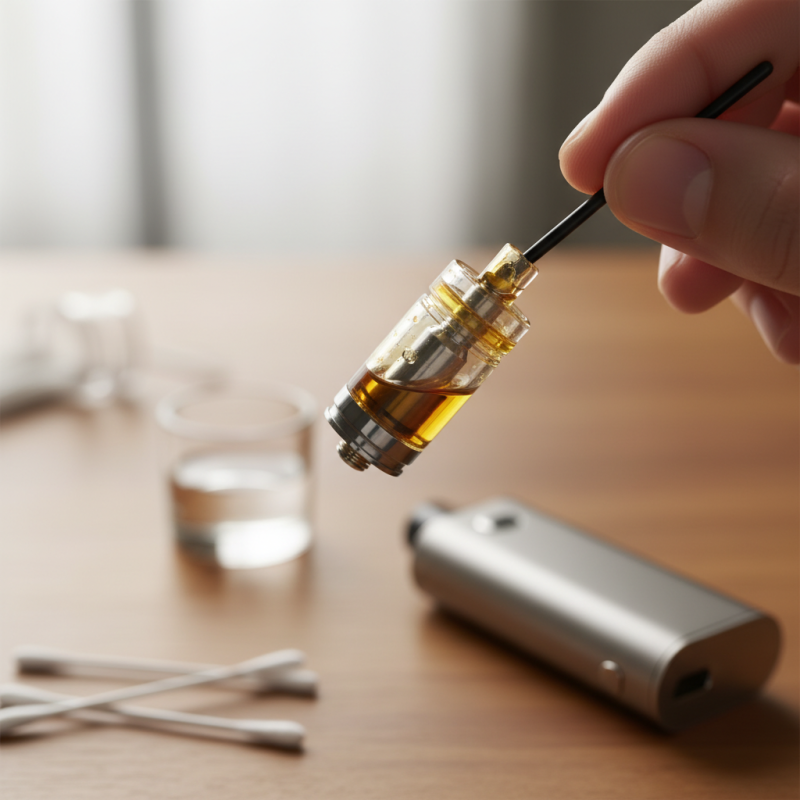
Another frequent cause is improper storage of the cartridge. Storing it upright can prevent oil from settling poorly. Additionally, residue buildup can happen over time. This buildup can occur in the mouthpiece or the airflow holes. Regular cleaning can help avoid this problem. A simple wipe with a cotton swab can clear away debris.

Users often overlook the importance of airflow. If the airflow is restricted, it can lead to a less enjoyable vaping experience. An easy fix is checking for obstructions in the pathways. Sometimes, users may also experience clogs from using expired cartridges. Always check the expiration date to ensure the best performance. By identifying these common causes, users can improve their vaping experience.

Understanding the Anatomy of Vape Cartridges

Vape cartridges are intricate devices designed for seamless vaping experiences. Understanding their components can help troubleshoot issues, like clogs. A typical cartridge includes a tank, a wick, and a heating element. The tank holds the vape juice, while the wick absorbs it and feeds it to the heating element. This element vaporizes the liquid, allowing you to inhale the vapor.

Clogs often stem from residue buildup within the tank or wick. Various factors contribute to this, including thick oils or improper storage. When oil becomes too viscous, it affects the flow. Moreover, unequal heating can cause uneven vaporization, leading to further blockages. It’s essential to check for these issues regularly.

Here are some tips for maintaining your vape cartridge. Store it upright and at room temperature. Avoid exposing it to extreme conditions, which can alter the viscosity of the oil. Additionally, clean the mouthpiece and connectors often. This simple act can enhance airflow and minimize clogs. Watching out for early signs of blockage can save you from a frustrating vaping experience later on.

Identifying Symptoms of Clogged Cartridges

Clogged vape cartridges can be a frustrating experience for users. Recognizing the symptoms early can save time and trouble. Common signs include inconsistent hits, a burnt taste, or visible blockage at the mouthpiece. According to a recent industry survey, nearly 30% of vapers have reported experiencing a clogged cartridge at least once. This blockage often results from thick oil, temperature issues, or poor cartridge design.

Seeing black residue in the cartridge can indicate buildup, often caused by higher viscosity oils. When the coil overheats, it can lead to a significant char, affecting both flavor and vapor production. A report from the vaping industry revealed that around 25% of users prefer thinner oils to avoid these problems. Adjusting the oil consistency can enhance the vaping experience, but it may require testing various formulations to achieve the right balance.

User experience plays a crucial role in identifying problems. Many vapers may overlook the importance of device cleanliness and proper storage temperature. A study indicated that 40% of vape users do not regularly clean their devices. Regular maintenance can dramatically reduce clogs. Experimentation with storage conditions and oil types is essential for finding the optimal setup.

Step-by-Step Guide to Unclog Your Vape Cartridge

A clogged vape cartridge can be frustrating. It can lead to a dry hit or reduced vapor production. Understanding how to fix this issue can save you time and money.

To unclog your vape cartridge, start by checking the airflow. Sometimes, residue can block the air passages. Use a cotton swab dipped in rubbing alcohol to gently clean these areas. It helps eliminate built-up residue without damaging the cartridge. Another common fix is to warm the cartridge slightly. This can thin the oil, allowing it to flow better. Be careful not to overheat, as this can damage your device.

If the clog persists, consider disassembling the cartridge if possible. Examine each component closely. Look for any visible blockages or debris. Cleaning each part individually may resolve the issue. Reflect on your vaping habits, too. Using oil that is too thick can often lead to clogs. Adjusting the viscosity with a thinning agent may improve performance over time.

Preventive Measures to Avoid Future Clogs

Clogged vape cartridges can be frustrating. Prevention is key. Maintaining your device can save you time and money. Start by regularly cleaning the cartridge and the device itself. Use a cotton swab dipped in isopropyl alcohol to remove any residue. Ensure that the contacts are clean for optimal performance.

Another important step is to store your cartridges properly. Store them upright to prevent liquid pooling at the mouthpiece. Avoid extreme temperatures—both hot and cold can affect the viscosity of the vape juice. When possible, use cartridges that are compatible with your battery. This can significantly reduce the likelihood of clogs.

Lastly, remember to check the liquid levels. Low levels can cause airflow issues. If the cartridge frequently clogs, it may be due to the quality of the e-liquid. Invest in quality liquids that are specifically designed for vaping. Paying attention to these details can create a smoother vaping experience while avoiding the common issue of clogs. Reflect on your usage and adjust accordingly.

FAQS

: What are the main components of a vape cartridge?

: A typical vape cartridge includes a tank, a wick, and a heating element.

How does a heating element work in a vape cartridge?

The heating element vaporizes the vape juice absorbed by the wick.

What causes clogs in vape cartridges?

Clogs often result from residue buildup, thick oils, or improper storage.

How can I maintain my vape cartridge?

Clean the mouthpiece regularly and store the cartridge upright at room temperature.

What should I avoid when storing vape cartridges?

Do not expose cartridges to extreme temperatures; this can change liquid viscosity.

How can I prevent airflow issues?

Regularly check liquid levels; low levels can lead to airflow problems.

Is cleaning necessary for optimal performance?

Yes, cleaning contacts ensures better functionality and reduces clogs.

What should I consider when buying vape juice?

Invest in quality liquids, as poor-quality e-liquids may clog your cartridge.

Why is the temperature of storage important?

Extreme temperatures can alter the viscosity, affecting the flow of vape juice.

What happens if my vape cartridge keeps clogging?

Frequent clogs might indicate issues with the e-liquid quality or cartridge compatibility.

Conclusion

Vape cartridges can often become clogged, prompting users to ask, "why is my vape cartridge clogged?" Several common causes contribute to this issue, including excessive viscosity of the vaping liquid, debris buildup, or improper storage. Understanding the anatomy of vape cartridges is crucial in identifying these problems, as it allows users to pinpoint where the clog may be forming.

Symptoms of a clogged cartridge can include reduced vapor production, gurgling sounds, or difficulty inhaling. Fortunately, there is a step-by-step guide to unclogging your cartridge, which involves checking for blockages, adjusting your vaping technique, and ensuring proper maintenance. Additionally, implementing preventive measures, such as regular cleaning and using the right viscosity liquids, can help avoid future clogs, ensuring a smoother vaping experience.

Amelia

Amelia

Amelia is a seasoned marketing professional with a wealth of expertise in our company’s core offerings. With an unwavering passion for driving growth and innovation, she plays a pivotal role in shaping our marketing strategies and enhancing brand visibility. A key aspect of her responsibilities......