Choosing a vape battery is not simply a matter of selecting the highest capacity. The correct cell must match your device’s size, power requirements, and charging system. An attractive battery can still create serious safety concerns when its specifications are misunderstood. This guide explains how to choose the right vape battery for legal, age-restricted devices from reputable manufacturers. It focuses on compatibility, responsible handling, and information supported by manufacturer instructions and recognized safety guidance.
Begin with the device manual and its battery label. Check the required battery format, voltage range, and recommended charging method. Electrical compatibility matters. A battery’s continuous discharge rating should meet the device’s maximum demand, with a sensible safety margin. Do not rely only on marketing terms such as “high power” or “long lasting.” They may hide important limitations. Protected batteries, certified chargers, and undamaged wraps provide better safeguards. Never use a cell with dents, leakage, exposed metal, or a torn wrapper. Small details matter.
Reliable advice also considers daily experience. A battery that lasts through a commute may become inconvenient during travel or storage. Heat, charging habits, and device age can change performance. There is no universal best choice. Even experienced users can misread technical labels. That is worth remembering. When specifications conflict, contact the manufacturer or choose a compliant replacement recommended for the exact model. Careful selection cannot remove every risk, but it can prevent avoidable mistakes and support more informed, responsible use.
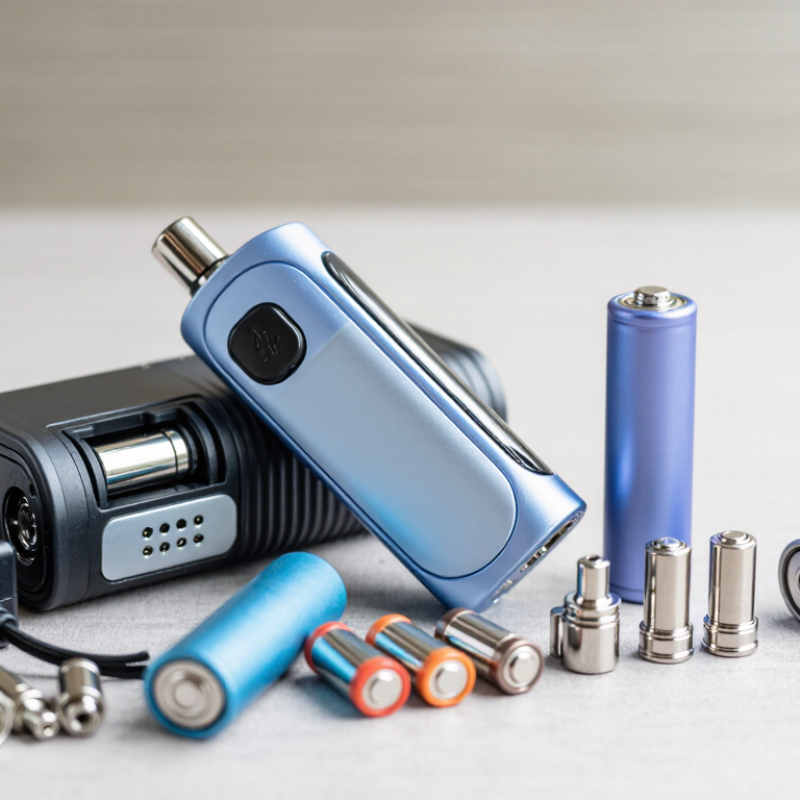
Choosing the right vape battery starts with chemistry and compatibility. Most devices use rechargeable lithium-ion cells. Integrated batteries are simpler and usually include built-in charging protection. Removable 18650 and 21700 cells offer easier replacement, but require stricter handling. Size matters. A 21700 cell is physically larger than an 18650, so it may not fit your device.
Check three specifications before buying: voltage, capacity, and continuous discharge current. Capacity, measured in mAh, affects runtime. Discharge current affects safe power delivery. Do not rely only on “maximum amps” printed on a label. Independent testing and recognized safety standards provide better evidence. IEC 62133-2 covers rechargeable-cell safety testing, while UN 38.3 addresses transport testing. The U.S. Fire Administration reported 195 electronic-cigarette fire or explosion incidents from 2009 to 2016, with 133 injuries. The report shows why battery quality and correct use deserve attention.
Tips: Match the battery type and polarity exactly. Use a charger designed for that cell. Stop using any battery with dents, torn wrapping, swelling, heat, or a strange smell. Never carry loose cells beside keys or coins. A protective case is cheap insurance. Inspect the wrapper often. This small habit is easy to neglect. Also, replace unclear or counterfeit cells rather than guessing their rating. Even careful users can misread specifications, especially when labels exaggerate performance. Read the device manual, and choose a certified replacement from a reliable electrical supplier.
This chart compares common cylindrical lithium-ion battery formats used in compatible vaping devices. The capacity figures are representative nominal values: actual capacity, continuous-discharge rating, and safety performance vary by cell design and manufacturer. Always use the battery size and specifications recommended by your device, and never exceed its rated voltage or current limits.
Choosing a vape battery starts with compatibility, not capacity. Check the device manual for its battery size, chemistry, voltage range, and maximum current requirement. A battery that fits physically may still be electrically unsuitable. Confirm the required rating before purchase.
Battery ratings need careful reading. Capacity is measured in milliamp-hours, while discharge capability is measured in amperes. A higher capacity does not automatically provide safer performance. The battery must support the device’s maximum current demand without overheating. IEC 62133-2 sets safety requirements for rechargeable lithium cells and batteries, including abuse testing and protection measures. UL 8139 also evaluates electrical and fire safety for vaping devices and their power systems. These standards matter more than attractive packaging claims.
Look closely at the label.
Use matching batteries when the device requires pairs. Replace both together. Do not mix old and new cells. The U.S. Federal Aviation Administration’s 2023 lithium-battery incident database recorded dozens of onboard events, showing why damaged cells deserve immediate attention. Swelling, torn wrapping, unusual heat, or a sharp chemical smell means the battery should not be used. Store loose batteries in a protective case, away from coins and keys. I have seen users focus on longer runtime and overlook current limits. That choice can be costly. Verify the rating twice.
How to Choose the Right Vape Battery for Your Device
Capacity is not everything. Measured in milliamp-hours, capacity indicates how long a battery may last between charges. A 1,500 mAh battery can suit light, short sessions, while frequent users may prefer higher capacity. Actual performance varies with temperature, puff duration, coil resistance, and charging habits.
Power output must match the device’s specifications. Check the required wattage range before choosing a battery. A battery with high capacity may still perform poorly if it cannot deliver enough current. Conversely, excessive output can create overheating, harsh vapor, or device damage. That trade-off is easy to underestimate. I have found that starting at a lower setting gives more control, even when the device supports higher power.
Battery life depends on more than the printed number. Higher wattage consumes energy faster, especially during long draws. A smaller battery may feel practical because it reduces weight and charging time. Carrying a spare can help, but loose batteries should never share a pocket with keys or coins. Use the correct charger, inspect the wrapping, and replace any battery showing swelling, leaks, or physical damage. Follow the device manufacturer’s guidance and local safety rules. Some battery ratings are optimistic, so real-world testing matters. Record how many sessions each charge provides. That simple note may reveal that your preferred power setting matters more than capacity.
| Device Type | Typical Battery Format | Typical Capacity | Recommended Power Range | Approximate Battery Life | Best Use Case | Important Selection Consideration |
|---|---|---|---|---|---|---|
| Compact Pod Device | Built-in rechargeable lithium-ion battery | 300–1,000 mAh | 5–15 W | About 4–12 hours of moderate use | Low-power vaping, portability, and discreet use | Choose a device with a regulated output and USB-C charging for convenient daily use. |
| Medium Pod Mod | Built-in battery or one removable 18650 cell | 1,000–2,500 mAh | 15–40 W | About 8–24 hours of moderate use | Balanced portability, flavor, and vapor production | Higher wattage increases power consumption, so capacity should be considered together with output power. |
| Single-Battery Mod | One removable 18650, 20700, or 21700 cell | 2,000–5,000 mAh | 20–80 W | About 6–20 hours, depending on wattage and cell capacity | Adjustable power and stronger vapor production | Use only high-quality, undamaged, high-drain cells with a continuous-discharge rating suitable for the selected wattage. |
| Dual-Battery Mod | Two matched removable 18650, 20700, or 21700 cells | 4,000–10,000 mAh combined nominal capacity | 40–200 W | About 8–30 hours, depending on power and vaping frequency | High-power vaping and extended use between charges | Use a matched pair, keep the cells together, and charge them with a suitable external charger or the device’s approved charging system. |
| High-Power Sub-Ohm Device | One or two high-drain removable cells | 2,000–10,000 mAh combined nominal capacity | 60–200 W or more | Often 3–12 hours at sustained high output | Large vapor production and low-resistance coils | Prioritize continuous-discharge capability and safety protections over maximum mAh claims. |
| Discreet Refillable Device | Built-in lithium-ion battery | 400–800 mAh | 6–12 W | About 5–15 hours of moderate use | Lightweight everyday carry and mouth-to-lung vaping | Lower output generally extends battery life; compact devices may require more frequent charging. |
Note: Battery life estimates are approximate and vary with wattage, coil resistance, puff duration, vaping frequency, temperature, battery age, and charging habits. Never use a damaged, swollen, leaking, or counterfeit battery.
Choosing between an integrated and removable battery depends on your daily routine. An integrated battery stays inside the device. It usually feels cleaner and simpler to use. Connect the charging cable, wait, and continue later. This option suits people who prefer fewer loose parts. It can also reduce mistakes when replacing batteries. However, battery performance may decline after repeated charging cycles. When that happens, the whole device may need professional replacement or disposal.
A removable battery gives you more flexibility. You can carry a charged spare and reduce waiting time. It may also extend the device’s useful life. Yet, compatibility matters greatly. Check the device manual for the correct size, chemistry, voltage, and discharge rating. Never mix old and new batteries. Avoid batteries with torn wraps, dents, corrosion, or unusual heat. Small details matter.
Safety comes first. Use the recommended charging method. Keep loose batteries away from keys, coins, and other metal objects. Store them in a protective case. I once underestimated how quickly a spare battery could become damaged in a crowded bag. That was careless. A removable system is not automatically better. An integrated system is not automatically safer. Your charging habits, travel needs, and willingness to inspect equipment should guide the choice. When uncertain, ask a qualified technician before using an unfamiliar battery.
Choosing the right vape battery begins with the device manual, not online guesswork. Match the required size, chemistry, voltage, and continuous discharge rating. Never rely on exaggerated “pulse” ratings alone. A battery that fits physically may still deliver the wrong current.
Safe charging needs a fixed routine. Use the charger recommended for the device, place it on a hard, nonflammable surface, and keep it visible while charging. Do not charge overnight or beside bedding.
The U.S. Fire Administration recorded 195 electronic-cigarette fire and explosion incidents between 2009 and 2016, causing 133 acute injuries.
That history makes unattended charging a poor risk, even when the battery seems reliable. Stop using any cell with a torn wrapper, dent, swelling, unusual heat, or a sharp chemical smell. Remove it carefully.
Storage matters too. Keep spare batteries in a protective case, never loose with keys or coins. Store them away from direct sunlight, children, and extreme temperatures.
Lithium-ion safety guidance commonly recommends partial-charge storage, around 30% to 50%, when the battery will sit unused. Check the charge level occasionally.
The weak point is often routine. A user may inspect a battery for weeks, then carry it unprotected for one short trip. I still think that “short trip” is where many safety habits fail.
Industry safety work, including UL 8139 requirements, supports choosing compatible equipment and controlling electrical and thermal risks.
Most devices use rechargeable lithium-ion batteries. Integrated cells stay inside the device, while removable cells can be replaced.
Integrated batteries are simpler and have fewer loose parts. Removable batteries offer spare-cell flexibility but require careful inspection and storage.
No. A 21700 cell is larger than an 18650 cell. Check the manual for size, chemistry, voltage, and polarity.
Check voltage, capacity, and continuous discharge current. Capacity affects runtime, while discharge current affects safe power delivery.
No. Some labels exaggerate maximum or pulse ratings. Independent testing and recognized safety evidence provide more dependable information.
Use the recommended charger on a hard, nonflammable surface. Keep it visible while charging. Do not charge overnight or beside bedding.
Keep loose cells inside a protective case. Never place them beside keys, coins, or other metal objects. Store them away from sunlight and heat.
Stop immediately if it has a torn wrapper, dent, swelling, corrosion, strange smell, or unusual heat. Do not guess about damaged cells.
Choose integrated batteries for simpler routines and fewer handling mistakes. Choose removable batteries if you need charged spares and accept stricter care.
Carrying one unprotected spare “for a short trip” seems harmless. It is not. I once underestimated that risk; the mistake was careless.
Learning how to choose the right vape battery starts with understanding battery types, sizes, and key specifications. Consider whether your device uses an integrated or removable battery, then check its compatibility requirements, including voltage range, wattage limits, capacity, and discharge rating. The battery should match the device’s power needs without exceeding its recommended limits. Capacity affects how long the battery may last between charges, while power output influences performance, so balance both according to your usage and device settings.
Integrated batteries are convenient and simple to use, while removable batteries offer flexibility and easier replacement when compatible. For safe use, charge the battery with the appropriate charger, avoid damaged or swollen batteries, and never leave charging unattended. Store batteries in a cool, dry place away from metal objects and direct sunlight. Following these guidelines can support reliable performance, longer battery life, and safer everyday use.

Xyvo Vape