As we approach 2026, many are questioning: are vape pens safe to use? With the rapid rise in popularity of vaping, public health experts are scrutinizing its effects. Research continues to unfold, revealing both potential risks and benefits. Users often perceive vape pens as a safer alternative to traditional smoking, but is that the reality?
Recent studies indicate that while vape pens may reduce certain harmful substances, they are not without risks. Ingredients in vape liquids can cause adverse health reactions. Some consumers experience respiratory issues, while others report cravings for nicotine. The long-term impact of vaping remains largely unknown, raising concerns among health professionals.
Despite claims of safety, the lack of regulation in the vape industry complicates the matter. Not all products are created equal, leading to variability in quality and safety. Therefore, evaluating whether vape pens are safe to use requires careful consideration. We must prioritize informed choices and remain vigilant about emerging research. As we look to the future, ongoing dialogue is essential in navigating this heated debate.
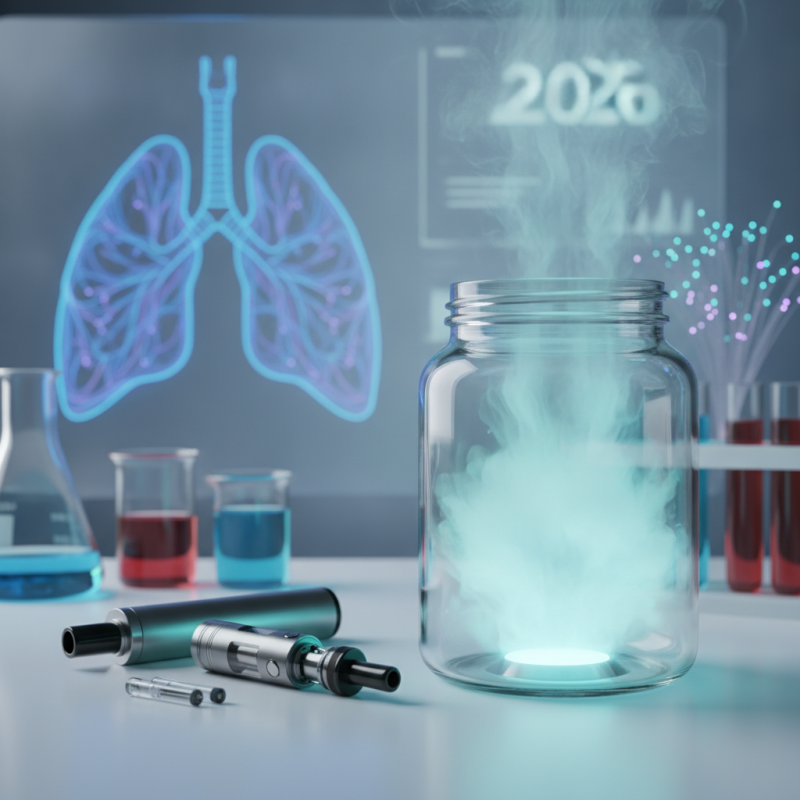
Vape pens are devices used for inhaling vaporized substances. They work by heating a liquid, commonly known as e-liquid or vape juice, which contains various ingredients. This liquid typically includes nicotine, flavorings, and other chemicals. When activated, the vape pen transforms the liquid into vapor for users to inhale.
Understanding how vape pens function is crucial. The user usually presses a button or simply inhales to activate the device. The heating element warms the e-liquid inside the cartridge. The vapor produced is then inhaled, delivering flavors and nicotine without the smoke of traditional cigarettes. It seems simple, but the ingredients in the e-liquid can vary widely.
There are concerns about the safety of these devices. The long-term health effects are still being studied. Some users report irritation in their lungs or throat. The ingredients in e-liquids are not always fully disclosed, leading to uncertainty. The perception of vape pens as a safer alternative to smoking might be misleading. As public awareness grows, it's essential to consider these devices carefully.
Vaping has surged in popularity over recent years, raising concerns about health risks. A report from the National Institute on Drug Abuse indicates that around 20% of high school students used e-cigarettes in 2022. This trend highlights a critical health issue. The long-term effects of inhaling vaporized substances remain insufficiently understood.
Studies show that vape pens can contain harmful chemicals. A 2021 report from the World Health Organization found that many e-liquids contain nicotine, which is addictive. Additionally, various flavorings can produce toxic compounds when heated. Research indicates that inhaling these chemicals may damage lung tissue and contribute to respiratory issues.
While many perceive vaping as a safer alternative to smoking, it's essential to recognize potential risks. Mental health effects are also a concern. Some research links vaping to increased anxiety and depression among adolescents. As the landscape evolves, a deeper understanding of the health implications remains vital. The need for more comprehensive studies is clear, as young users are often unaware of these risks.
In 2026, regulations surrounding vape pens will become more comprehensive. Health authorities are increasingly concerned about the long-term effects of vaping. New policies are emerging to ensure safer product standards. These regulations aim to protect consumers from harmful substances often found in e-liquids.
Vape pens must now comply with stricter manufacturing guidelines. Manufacturers are required to disclose all ingredients in their products. This transparency helps users make informed choices. Yet, many still question the accuracy of such disclosures. Regulatory bodies will conduct regular inspections to enforce these standards.
Public health campaigns are expected to raise awareness about vaping risks. Some studies suggest that vaping could lead to respiratory issues. The debate continues over nicotine addiction and its implications. Consumers should remain vigilant. Ongoing research is essential to assess the safety of vape pens as regulations evolve.
The debate on the safety of vape pens compared to traditional smoking continues to grow.
Vape pens use e-liquids, often containing nicotine, flavorings, and other chemicals. In contrast, traditional cigarettes burn tobacco,
producing harmful tar and a wide range of carcinogens. Users might perceive vape pens as a safer alternative, but the truth isn't so clear-cut.
Recent studies show that while vape pens produce fewer harmful byproducts, they still release toxic substances.
Some users may think they are safer, but inhaling vapor can irritate the lungs. Additionally, the long-term health effects of vaping remain largely unknown.
Tips: Choose reputable sources for information. Regularly update your knowledge about vaping.
Stay informed about new research findings. Open discussions with healthcare professionals can offer valuable insights. Always reflect on your habits
and consider seeking help if you feel dependent on any smoking alternatives. It's crucial to create a mindful approach to your health.
As we look toward 2026, advancements in vaping technology promise to transform user experience. New materials and innovative designs aim to enhance flavor delivery while reducing harmful byproducts. These improvements could potentially decrease health risks associated with vaping. However, the long-term effects remain uncertain. Researchers continue to study the impact of ingredients and formulations.
Health implications will resonate through public health discussions. Some researchers express concerns about the lack of regulation in emerging vaping products. The safety profile of new substances is still largely unknown. Users might feel a false sense of security due to appealing advertising and sleek devices. This presents a dilemma—balancing improved technology with potential health risks.
Consumers must stay informed. Understanding the science behind vaping can help navigate choices. Transparency from manufacturers is crucial for building trust. More importantly, continued research is essential to uncover the health effects of modern vaping. Ensuring safety should remain a priority in the rapidly evolving landscape of vaping technology.
: About 20% of high school students reported using e-cigarettes in 2022.
Yes, vape pens can contain harmful chemicals that may damage lung tissue.
Vaping may be linked to increased anxiety and depression in adolescents.
New products often lack regulation, making their safety and health impact unknown.
Future advancements may improve flavor delivery but carry uncertain long-term risks.
Continued research is vital to understand the health effects of modern vaping practices.
Transparency helps build consumer trust and ensures users are informed about risks.
Many view it as safer, but there are significant health risks to consider.
Consumers should stay informed about the science and potential health implications.
No, the long-term effects of vaping remain largely unclear and require more study.
In 2026, the discourse around whether "are vape pens safe to use" continues to evolve as more research emerges. Vape pens, which function by heating a liquid to create an aerosol, have gained popularity as alternatives to traditional smoking. However, understanding the health risks associated with vaping remains crucial, as studies indicate potential respiratory issues and cardiovascular effects.
Regulatory measures implemented in 2026 aim to enhance safety standards and consumer awareness about the implications of vaping. A comparative analysis highlights differences between vape pens and traditional smoking, with the former often perceived as less harmful. Nevertheless, as technology progresses, future trends in vaping may unveil new health implications, necessitating ongoing scrutiny and education for users regarding safety.

Xyvo Vape